
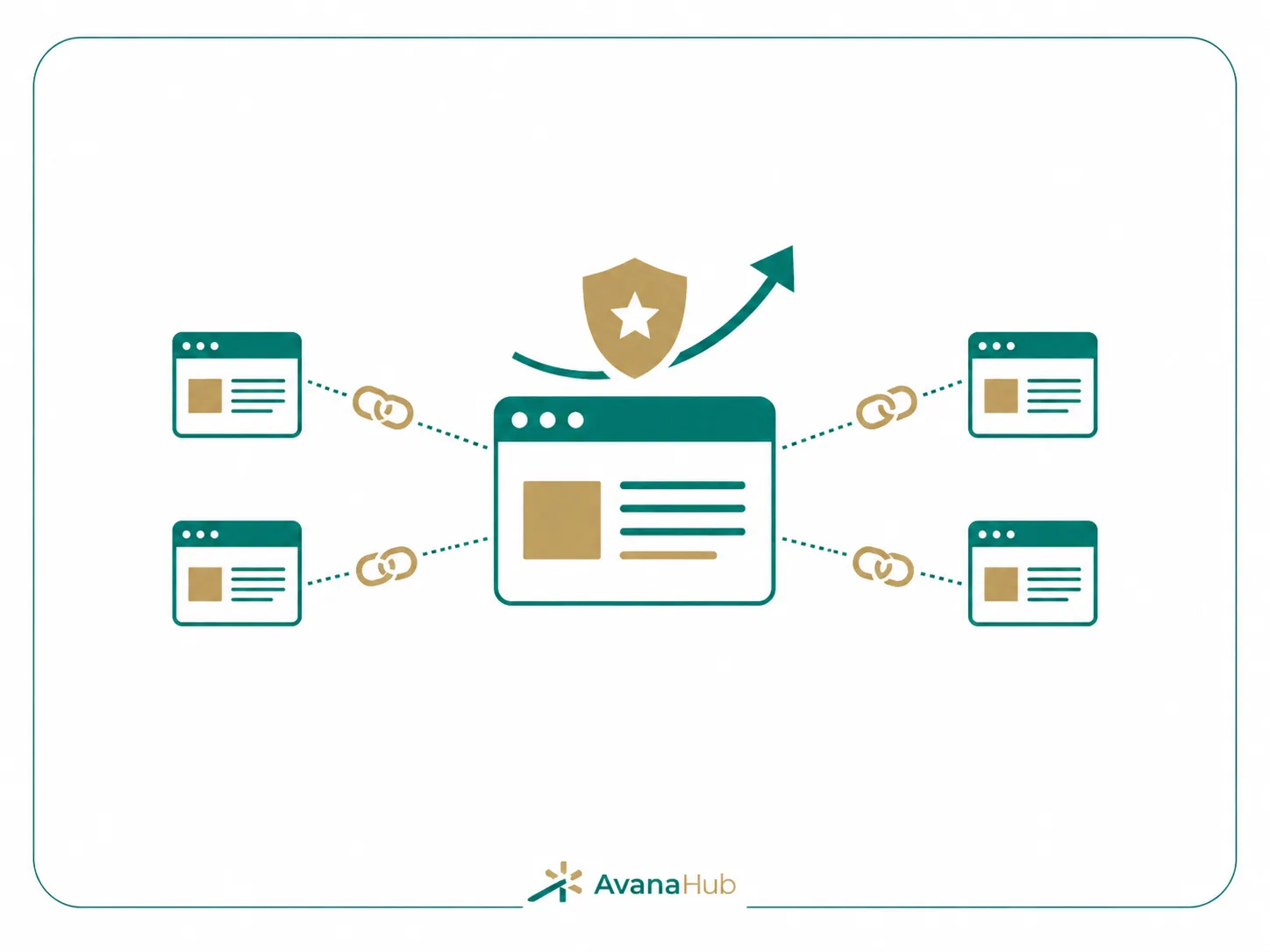
Link building is the process of earning links from other websites to improve a site’s authority, discoverability, and organic search performance. Search engines use backlinks as one signal to understand whether a page or domain is trusted, referenced, and useful within its topic area. Good link building is not about collecting as many links as possible; it is about earning relevant, editorial, high-quality links that support topical authority and business goals. This guide from Avana explains how link building works, which strategies are effective, which tactics create risk, and how authority growth should be measured properly. For a broader understanding of search optimization principles, see The Complete SEO Guide.
What Is Link Building?
Link building is the practice of getting external websites to link to your website. These links, called backlinks, help search engines discover pages and evaluate authority, relevance, and trust.
A good backlink usually has these qualities:
- It comes from a relevant website.
- It is placed editorially, not artificially.
- It appears on an indexed page.
- It makes sense in context.
- It can send real referral traffic.
- It points to a useful page.
- It uses natural anchor text.
- It comes from a website with genuine audience and credibility.
Link building supports SEO because strong backlinks can improve ranking potential, especially for competitive keywords. However, backlinks work best when the website already has strong content, technical health, and clear topic coverage.
Why Link Building Matters for SEO Authority
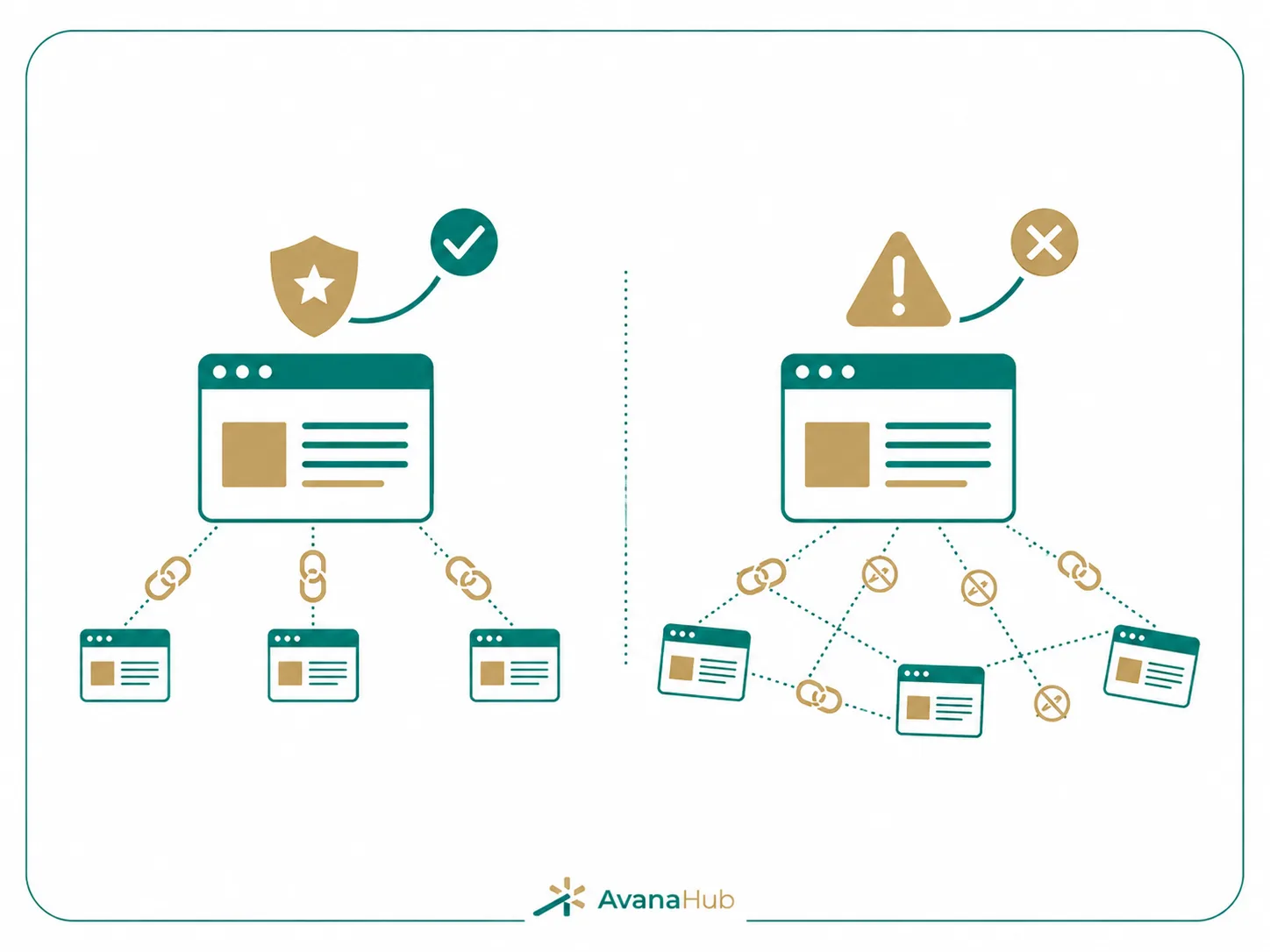
Link building plays an important role in SEO authority because search engines use external links as one of the signals for evaluating a website’s credibility, relevance, and popularity within a specific topic. When reputable websites link to a page, they can help search engines better understand that the content is trusted and worth ranking for relevant searches.
However, effective link building is not only about gaining a higher number of backlinks. The quality, relevance, and context of each link matter. A backlink from a trusted website in the same industry can provide more value than multiple unrelated links. Search engines also evaluate how links support the overall content experience, including page quality, technical performance, and On-Page SEO factors such as content structure, internal linking, and keyword relevance.
A strong link-building strategy can support SEO performance by:
For SEO success, backlinks should be earned naturally through valuable content, digital PR, partnerships, and resources that other websites find useful. Links can strengthen a page’s authority, but they work best when combined with accurate information, clear content organization, strong user experience, and content that directly answers search intent.
.
What Makes a High-Quality Backlink?
A high-quality backlink is relevant, trustworthy, editorial, and useful. The source matters more than the number of links.
A link from a respected industry publication can be more valuable than hundreds of links from irrelevant directories, low-quality blogs, or automated placements.
Link Building vs Link Earning
Link building often refers to active outreach and promotion. Link earning happens when people link to your content naturally because it is useful, original, or reference-worthy.
The best authority strategy combines all four. Outreach works better when there is something genuinely worth linking to.
Link Building Strategy 1: Create Linkable Assets
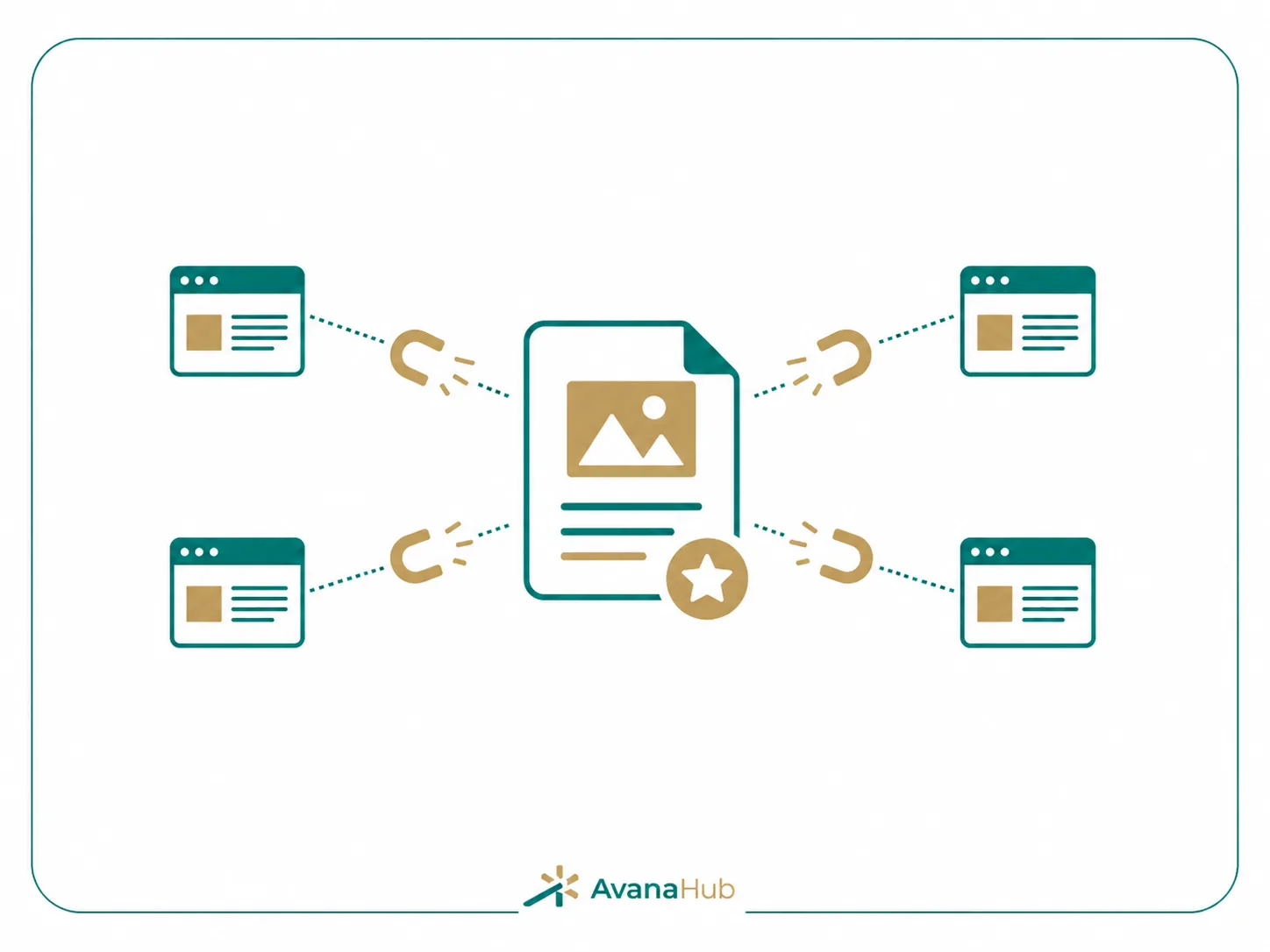
A linkable asset is content designed to be referenced by other websites. It provides value beyond a standard blog post.
Examples of linkable assets include:
- Original research
- Industry statistics
- Data studies
- Free tools
- Calculators
- Templates
- Checklists
- Benchmark reports
- Glossaries
- Visual explainers
- Interactive resources
- Case studies
- Expert roundups
- Market maps
- Survey results
A linkable asset should solve a reference problem. Writers, journalists, bloggers, researchers, and businesses should have a clear reason to cite it.
For example, instead of publishing a generic article about “SEO trends,” a stronger linkable asset could be “2026 SEO Benchmark Report for UAE Service Businesses” with original data, charts, and practical findings.
Link Building Strategy 2: Digital PR Campaigns
Digital PR uses newsworthy content, data, expert commentary, or timely insights to earn media coverage and backlinks. It is one of the strongest ways to build authority because links often come from trusted publications.
Effective digital PR angles include:
Digital PR works when the story is useful for the publication’s audience. A campaign that only promotes a company rarely earns strong coverage.
Link Building Strategy 3: Guest Contributions
Guest contributions involve writing useful content for relevant websites in your industry. This can build authority, referral traffic, and brand visibility when done carefully.
Good guest posting should follow these rules:
- Target relevant websites with real audiences.
- Write original, useful content.
- Avoid mass-produced articles.
- Do not overuse exact-match anchor text.
- Link only where it adds context.
- Focus on expertise, not link volume.
- Avoid websites that exist only to sell guest posts.
A strong guest article should stand on its own. If the article would not be useful without the backlink, it is probably not worth publishing.
Link Building Strategy 4: Resource Page Outreach
Resource pages list useful tools, guides, references, or industry materials. If your content genuinely improves the list, outreach can earn relevant backlinks.
This strategy works best when you have a strong resource such as:
- A checklist
- A template
- A calculator
- A guide
- A glossary
- A research report
- A free tool
- A local directory
- A training resource
A practical process:
- Search for resource pages in your niche.
- Check whether the page is active and indexed.
- Review existing listed resources.
- Identify a genuine gap your asset fills.
- Contact the page owner with a concise explanation.
- Show why the resource is useful for their audience.
Resource page outreach fails when the suggested content is generic or unrelated.
Link Building Strategy 5: Broken Link Building
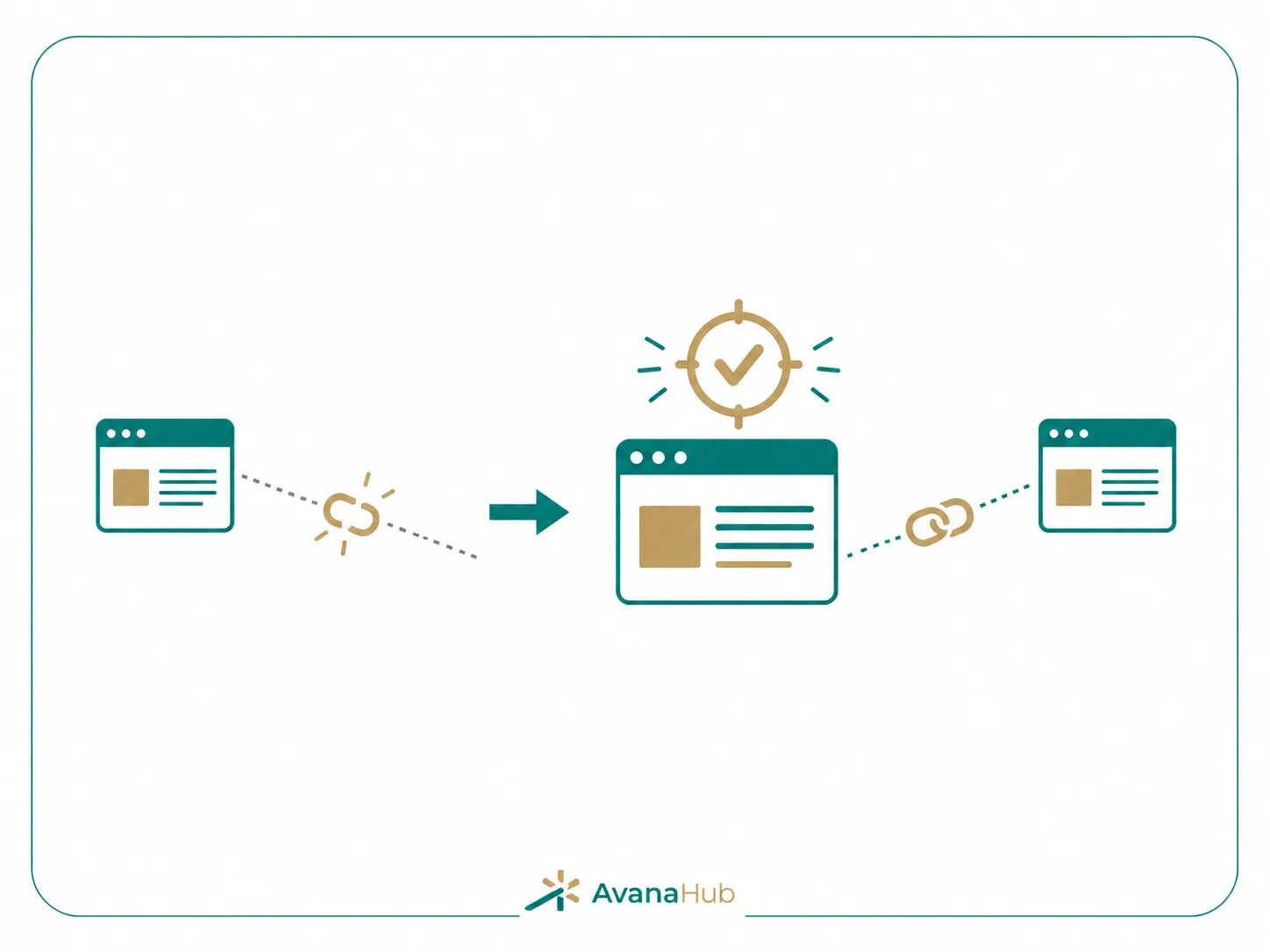
Broken link building means finding dead links on relevant websites and suggesting your content as a replacement. It helps the website owner fix a problem while earning a link.
The process:
- Find relevant pages with outbound links.
- Use a crawler or SEO tool to detect broken external links.
- Identify what the broken link used to cover.
- Create or select a relevant replacement resource.
- Contact the website owner.
- Explain the broken link and suggest your page as an alternative.
Broken link building works best when the replacement content closely matches the original resource. Sending unrelated pages reduces the chance of success.
Link Building Strategy 6: Unlinked Brand Mentions
An unlinked brand mention happens when another website mentions your company, product, founder, research, or content but does not link to your website. These are often easier to convert into backlinks because the website already knows the brand.
Look for mentions of:
- Brand name
- Product name
- Founder or executive names
- Original research
- Events
- Tools
- Reports
- Campaigns
- Case studies
- Quotes
Use tools such as Ahrefs, Semrush, Google Alerts, Brand24, Mention, or manual search operators to find mentions. Then contact the publisher and ask whether they can add a link for reader context.
Keep the request simple. The goal is to make the mention more useful, not to pressure the publisher.
Link Building Strategy 7: Partner and Supplier Links
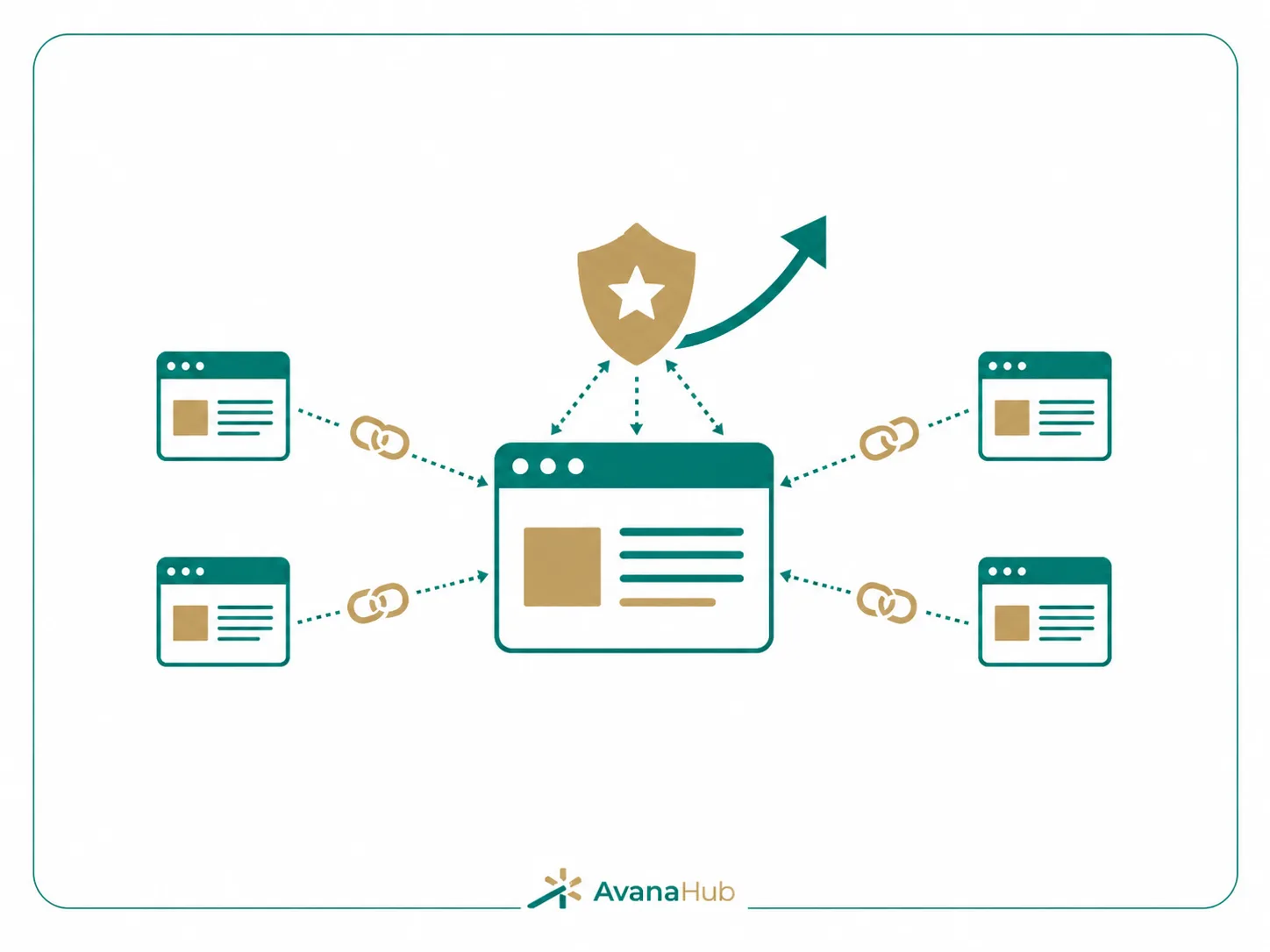
Many businesses already have relationships that can lead to relevant backlinks. These links are often natural because they reflect real business connections.
Potential sources include:
- Suppliers
- Distributors
- Software partners
- Agencies
- Clients
- Associations
- Event sponsors
- Certification bodies
- Local business groups
- Industry communities
- Podcast hosts
- Webinar partners
Examples:
These links should be accurate and relevant. Avoid creating artificial partner pages only for SEO.
Link Building Strategy 8: HARO-Style Expert Commentary
Journalists and content teams often need expert quotes for articles. Providing useful commentary can earn mentions and backlinks from media websites, blogs, and industry publications.
Sources for expert requests include:
- Featured
- Qwoted
- Help a B2B Writer
- SourceBottle
- Connectively alternatives
- Journalist requests on social media
- Industry Slack or LinkedIn communities
Effective expert responses are:
- Short
- Specific
- Original
- Based on real experience
- Free of promotional language
- Easy to quote
- Sent quickly
Weak responses sound generic or self-promotional. Journalists need insight, not a sales pitch.
Link Building Strategy 9: Original Research and Statistics
Original research is one of the most reliable ways to earn links because other websites need credible data to support their content.
Research formats include:
- Surveys
- Internal data analysis
- Industry benchmarks
- Pricing studies
- Trend reports
- Market comparisons
- Tool usage analysis
- Performance benchmarks
- Consumer behavior studies
For example, a marketing agency could publish a study on average Core Web Vitals performance across local business websites. This gives writers a reason to cite the data when discussing technical SEO, page speed, or digital performance.
To make research linkable:
- Use clear methodology.
- Show sample size.
- Present data visually.
- Include summary findings.
- Make statistics easy to cite.
- Add downloadable assets if useful.
- Update the report regularly.
Original data earns links because it cannot be found everywhere else.
Link Building Strategy 10: Case Studies
Case studies can earn backlinks when they provide useful lessons, measurable outcomes, and specific processes. They are especially valuable for B2B, SaaS, ecommerce, consulting, and agency websites.
A strong case study includes:
- Starting problem
- Context and constraints
- Strategy used
- Actions taken
- Tools or methods applied
- Measurable results
- Timeline
- Lessons learned
- Visual proof where possible
Avoid writing case studies as promotional success stories only. The more practical insight the case study provides, the more likely others are to reference it.
Link Building Strategy 11: Competitor Backlink Analysis
Competitor backlink analysis helps identify where similar websites are earning authority. It does not mean copying every link. It means finding patterns and opportunities.
Review competitor backlinks for:
- Industry publications
- Guest posts
- Resource pages
- Directories
- Podcasts
- Partner pages
- Case studies
- Research mentions
- Broken links
- Sponsorships
- Local citations
- Review platforms
A practical competitor analysis process:
- Choose 3 to 5 SEO competitors.
- Export their backlink profiles.
- Filter for relevant, indexed, high-quality domains.
- Group links by type.
- Identify repeat patterns.
- Decide which opportunities are realistic.
- Create better assets or outreach angles.
Do not chase every competitor link. Some may be low quality, paid, outdated, or irrelevant.
Link Building Strategy 12: Local Citations and Directories
Local citations are mentions of a business’s name, address, phone number, and website on local directories, maps, review platforms, and business listings. They matter most for local SEO.
Useful citation sources include:
- Google Business Profile
- Bing Places
- Apple Business Connect
- Yelp
- Facebook business pages
- Industry-specific directories
- Local chambers of commerce
- Regional business directories
- Review platforms
- Map services
- Professional associations
Local citations should be accurate and consistent. Inconsistent business names, phone numbers, or addresses can weaken local trust signals.
Directories should be chosen carefully. Relevant, trusted directories are useful. Low-quality mass directory submissions are not a strong authority strategy.
Link Building Strategy 13: Podcast and Webinar Links
Podcasts, webinars, and online events can create useful backlinks from event pages, show notes, speaker profiles, recap articles, and partner websites.
This strategy works well for experts, consultants, founders, SaaS teams, agencies, and B2B brands.
Link opportunities include:
- Guest bio pages
- Episode show notes
- Webinar registration pages
- Event recap posts
- Speaker profile pages
- Partner announcements
- Slide resource pages
To make the link more useful, offer a relevant resource for listeners or attendees, such as a checklist, report, template, or guide.
Link Building Strategy 14: Create Free Tools and Templates
Free tools and templates attract links because they help users complete a task. They can also generate leads if connected to a relevant offer.
Examples:
A simple template can sometimes earn more links than a long article if it solves a real workflow problem.
Link Building Strategy 15: Reclaim Lost Backlinks
Lost link reclamation should be part of every backlink audit and wider Technical SEO process because broken URLs, redirect issues, and indexing problems can affect how search engines discover and evaluate important pages.
Check for:
- Backlinks pointing to 404 pages
- Removed links from important referring domains
- Links pointing to redirected but irrelevant pages
- Old campaign URLs
- Outdated PDFs or assets
- Broken image links
- Changed brand URLs after migration
Fixes include:
- Restoring the missing page
- Redirecting the old URL to the closest relevant page
- Contacting the linking site with the updated URL
- Updating internal references and sitemaps
Lost link reclamation should be part of every technical SEO and backlink audit.
Link Building Strategy 16: Link-Worthy Content Refreshes
Older content that already has backlinks can often earn more links after being refreshed. This is especially true for statistics pages, annual guides, industry reports, and benchmark content.
Refresh opportunities include:
- Updating outdated data
- Adding new examples
- Improving visuals
- Expanding methodology
- Adding expert commentary
- Improving page structure
- Replacing broken sources
- Adding downloadable formats
- Improving internal links
- Republishing with a current date only after real updates
After refreshing the page, promote it again to previous linkers, newsletter audiences, social channels, and relevant communities.
White Hat vs Black Hat Link Building
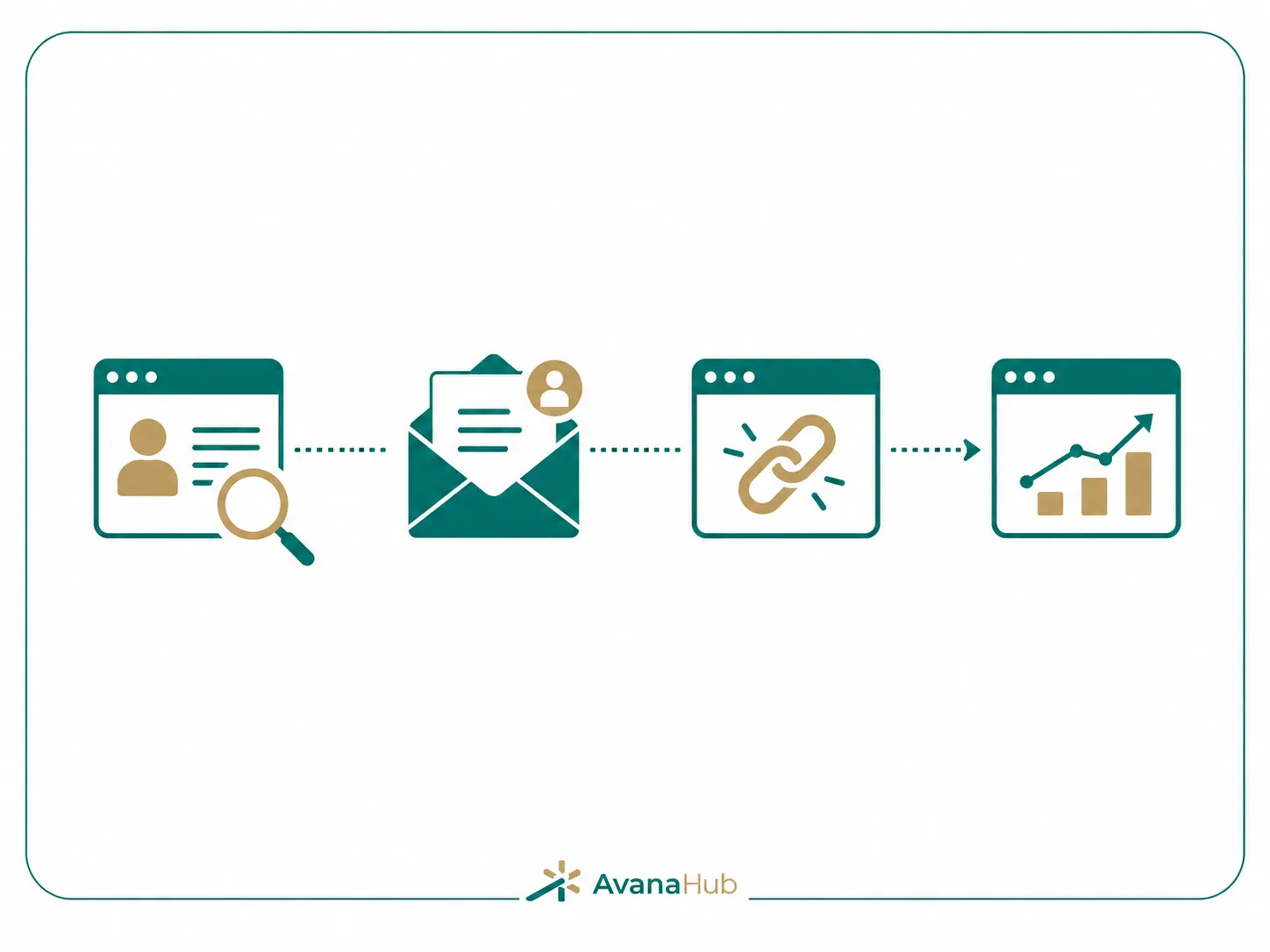
White hat link building earns links through useful content, real relationships, editorial value, and legitimate promotion. Black hat link building attempts to manipulate rankings through artificial links.
Risky link building can create short-term ranking movement, but it may also lead to link devaluation, ranking loss, or manual action. Sustainable authority comes from relevance and trust.
Anchor Text Best Practices
Anchor text is the clickable text of a link. It helps users and search engines understand the linked page, but over-optimized anchor text can look unnatural.
Types of anchor text:
Best practices:
- Use natural anchor text.
- Avoid repeating the same exact keyword across many backlinks.
- Let publishers choose wording when links are editorial.
- Use descriptive anchors for internal links.
- Keep external link anchor profiles varied.
- Avoid forcing commercial keywords into every link.
A natural backlink profile usually includes branded, URL, partial-match, and contextual anchors.
Which Pages Should You Build Links To?
Not every page is equally linkable. Commercial pages often need authority but are harder to promote because other websites may not want to link to sales-focused pages.
Good link targets include:
A practical strategy is to build links to linkable assets, then use internal links from those assets to support commercial pages. This helps authority flow through the site without forcing unnatural links to sales pages.
How to Build a Link Building Campaign
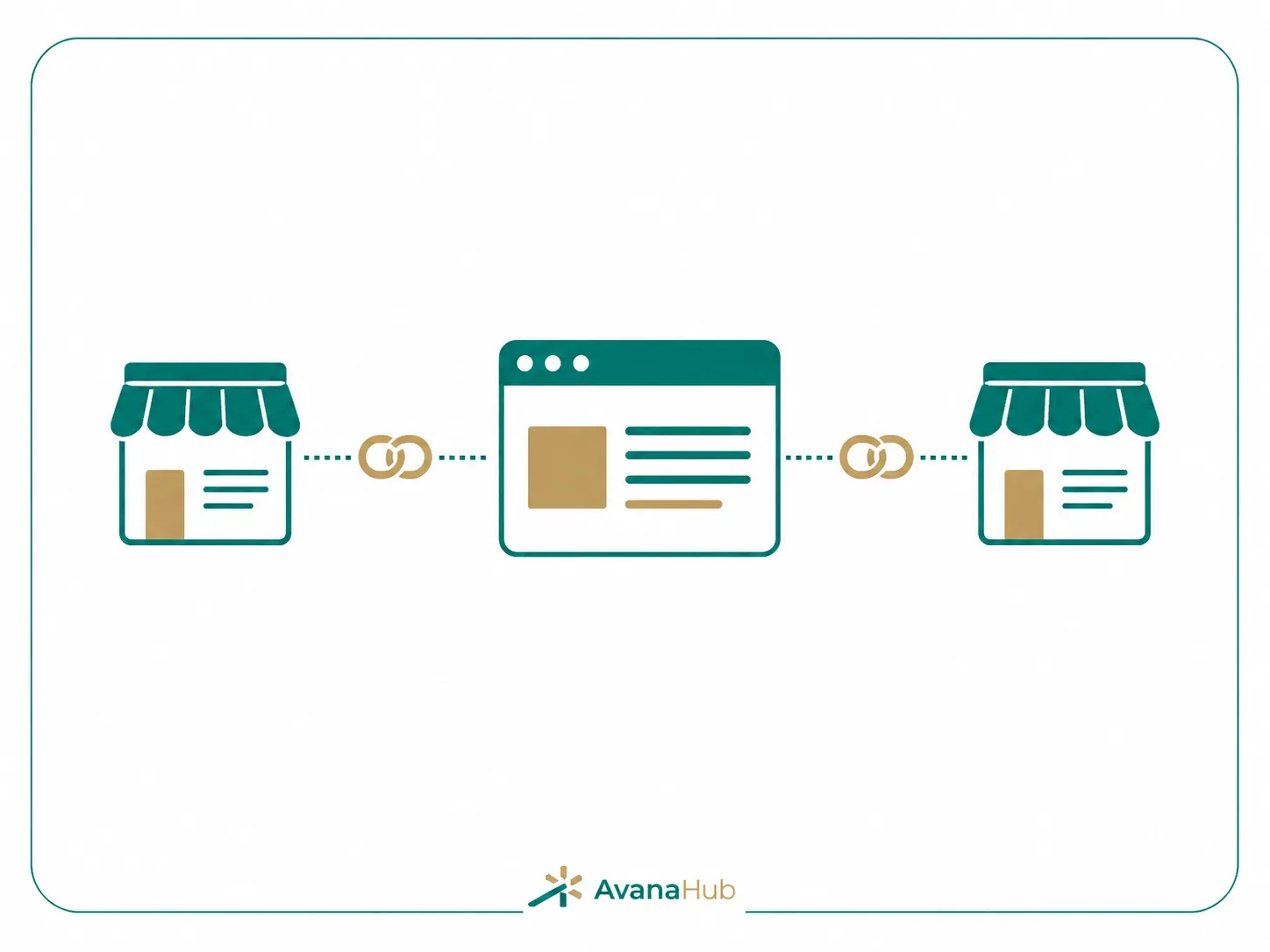
A structured link building campaign keeps outreach focused and measurable.
Step 1: Define the Goal
Choose the main campaign goal:
- Improve rankings for a specific page
- Build domain authority
- Promote a research report
- Support a new content cluster
- Earn local citations
- Recover lost backlinks
- Increase referral traffic
- Build brand visibility
The goal determines which tactic to use.
Step 2: Choose the Linkable Asset
The asset must be strong enough to earn links. Options include a report, guide, template, tool, case study, or data page.
Ask:
- Why would someone link to this?
- What problem does it solve?
- Who needs this resource?
- Is it better than existing alternatives?
- Does it include original value?
- Is the page easy to reference?
If the asset is weak, outreach will perform poorly.
Step 3: Build a Prospect List
A prospect list includes websites, journalists, bloggers, resource page owners, partners, or organizations that may reasonably link to the asset.
Include:
- Website URL
- Contact name
- Contact email
- Relevant page
- Reason for outreach
- Suggested link destination
- Authority metrics
- Relevance score
- Outreach status
- Follow-up date
Quality matters more than list size. A smaller list of relevant prospects often performs better than a large list of weak contacts.
Step 4: Write Personalized Outreach
Effective outreach is concise and specific. It should explain why the resource is relevant to the recipient’s audience.
A strong outreach message includes:
- A clear reason for contacting them
- The specific page or topic being referenced
- A short explanation of the resource
- Why it adds value
- A simple request
- No exaggerated claims
- No long company introduction
Avoid mass templates that sound generic. Personalization should be based on relevance, not fake compliments.
Step 5: Follow Up Carefully
Many links are earned after a follow-up. However, follow-ups should be respectful and limited.
Good follow-up practice:
- Send one or two follow-ups.
- Keep the message short.
- Add useful context if possible.
- Do not pressure the recipient.
- Stop if there is no response.
- Track responses and outcomes.
A good outreach reputation matters. Aggressive campaigns can damage brand perception.
Link Building Outreach Template
Use this structure as a starting point:
Subject: Resource suggestion for your page on [topic]
Hi [Name],
I was reading your page about [specific topic] and noticed it includes resources on [specific detail].
We recently published [resource name], which covers [short explanation of value]. It may be useful for readers who want [specific benefit].
Here is the resource:[URL]
If it fits your page, it could be a helpful addition. Either way, thanks for maintaining the resource.
Best,[Name]
This template should always be customized. The strongest outreach clearly connects the resource to the recipient’s page.
How to Measure Link Building Success
Link building should be measured by quality and business impact, not only the number of links earned.
Track:
A campaign that earns five relevant links from respected industry sites can be more successful than one that earns fifty weak links from unrelated domains.
Common Link Building Mistakes
Link building mistakes can waste resources or create SEO risk.
Common mistakes include:
- Prioritizing quantity over quality
- Buying links from low-quality sites
- Using exact-match anchor text repeatedly
- Building links to weak content
- Ignoring relevance
- Sending generic outreach
- Targeting websites with no real audience
- Ignoring lost backlinks
- Overusing guest posts
- Relying only on directories
- Not checking whether linking pages are indexed
- Building links without improving internal links
- Measuring links without tracking rankings or conversions
- Treating link building as separate from content strategy
The most common strategic mistake is asking for links before creating something worth linking to.
A Practical Authority-Building Framework
Many websites build links randomly. A better approach connects authority building to topic clusters, commercial pages, and content assets.
1. Choose the Topic Area That Needs Authority
Start with a core business topic, not a random page. The goal should be aligned with the services or products you want to grow through organic search. For example, a business that wants to promote SEO Services should focus on topic areas such as Technical SEO, content strategy, and local SEO to build authority around relevant search terms.
This keeps link building aligned with business priorities and ensures that external authority supports the pages that matter most for growth.
Examples:
This keeps link building aligned with business priorities.
2. Build a Linkable Asset Inside the Topic
Create one asset that can earn links naturally.
Examples:
- Benchmark report
- Industry checklist
- Free calculator
- Original survey
- Data-backed guide
- Template
- Interactive tool
- Expert resource
The asset should support the topic area and link internally to relevant commercial or pillar pages.
3. Strengthen Internal Links
Before outreach, connect the asset to related pages.
Internal links should connect:
- Linkable asset to service pages
- Blog articles to the linkable asset
- Pillar pages to supporting articles
- Case studies to relevant guides
- Commercial pages to educational resources where useful
This helps external authority benefit the wider topic cluster.
4. Promote the Asset Through Multiple Channels
Use more than one promotion channel:
- Email outreach
- Digital PR
- LinkedIn posts
- Newsletter mentions
- Partner distribution
- Industry communities
- Podcast appearances
- Webinar references
- Paid social amplification if useful
- Existing customer or partner networks
Link building works better when content promotion is integrated into the marketing calendar.
5. Review Authority Growth Every 90 Days
Every 90 days, review:
- New referring domains
- Link quality
- Rankings for target pages
- Organic traffic to the topic cluster
- Internal link flow
- Referral traffic
- Assisted conversions
- Lost backlinks
- New outreach opportunities
- Competitor link growth
Authority building is cumulative. Short-term link counts matter less than steady growth in relevant trust signals.
Link Building Checklist
Use this checklist before starting a campaign:
A campaign should not begin until the asset, audience, and goal are clear.A complete SEO strategy should also consider factors such as content quality, technical performance, and timelines. Businesses that want to understand expected timelines can review How Long Does SEO Take to Work.
Conclusion
Link building improves SEO authority when it focuses on relevance, editorial value, useful assets, and real relationships. The strongest strategies include digital PR, original research, resource outreach, guest expertise, partner links, unlinked brand mentions, broken link building, and linkable tools or templates.
SEO authority building is only one part of a larger marketing approach. Understanding the differences between organic growth and paid channels can help businesses choose the right strategy, especially when comparing SEO vs Google Ads.
What is the safest link building strategy?
The safest strategy is earning editorial links through useful content, original research, digital PR, partner relationships, and relevant resource outreach. Avoid paid link schemes and automated placements.
How many backlinks does a website need to rank?
There is no fixed number. The number depends on keyword competition, content quality, domain authority, internal links, and the strength of competing pages.
Are directory links good for SEO?
Relevant and trusted directories can help, especially for local SEO. Low-quality mass directory submissions usually provide little value and can look unnatural.
Should I build links to service pages or blog posts?
Service pages are harder to earn links to directly. A better approach is often to build links to useful assets, then internally link those assets to service pages.
How do I know if a backlink is high quality?
A high-quality backlink comes from a relevant, trustworthy, indexed page and is placed naturally in content that provides value to real users.