
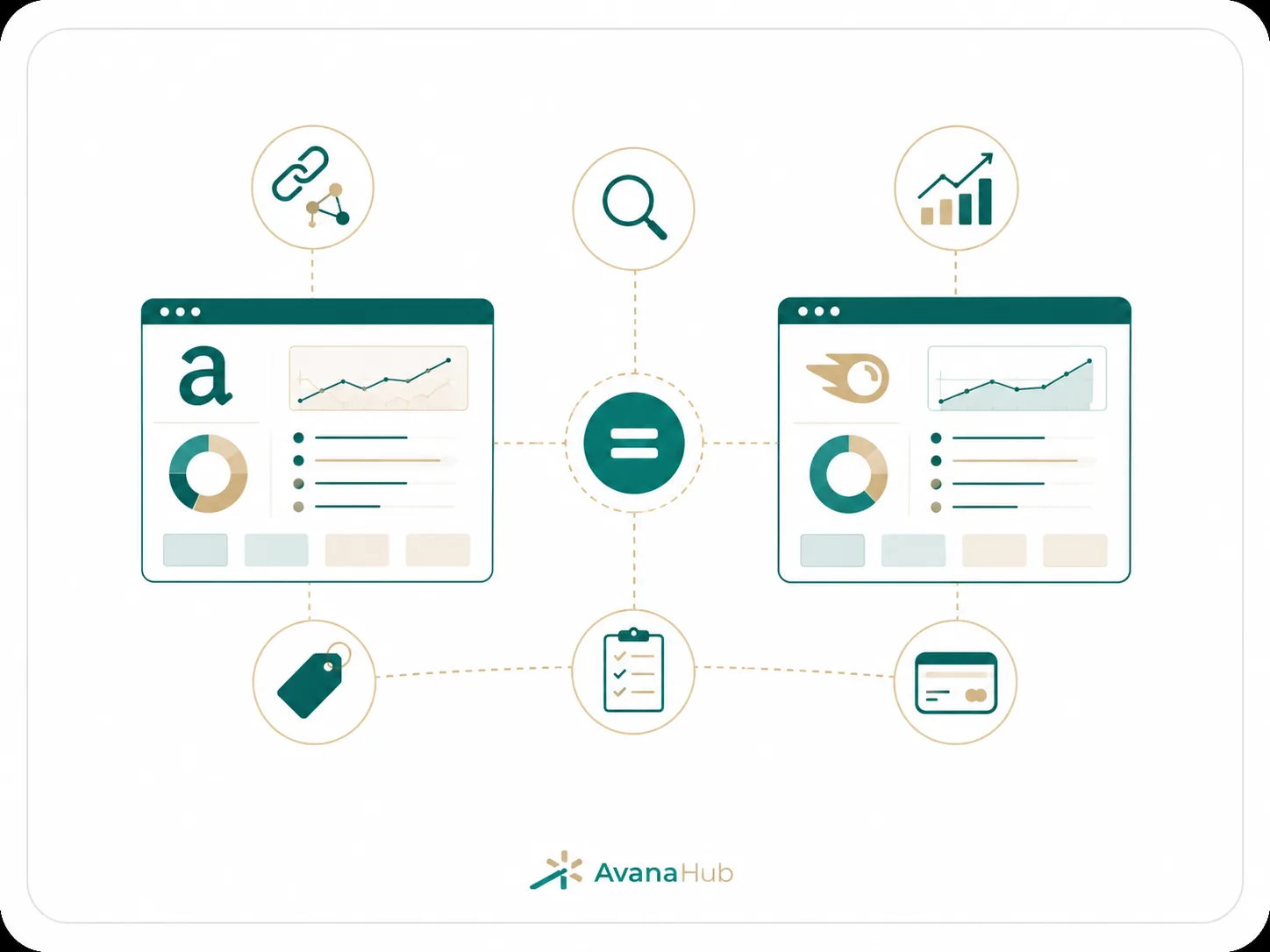
Choosing between Ahrefs and Semrush depends on how your team approaches SEO, competitor analysis, content planning, paid search research, reporting, and AI search visibility. Both platforms cover keyword research, rank tracking, backlinks, technical SEO, and competitive intelligence, but they are not identical in workflow, pricing, data presentation, or ideal use case. Ahrefs is often stronger for backlink research, organic competitor analysis, and clean SEO workflows, while Semrush is broader for teams that need SEO, PPC, content, market research, reporting, and AI visibility in one platform. This comparison explains where each tool performs best, how to evaluate them by business need, and which KPIs matter before committing to a subscription. Avana uses this type of tool comparison to match SEO software decisions with actual marketing operations rather than feature lists alone.
Ahrefs vs Semrush: Which SEO Tool Is Better?
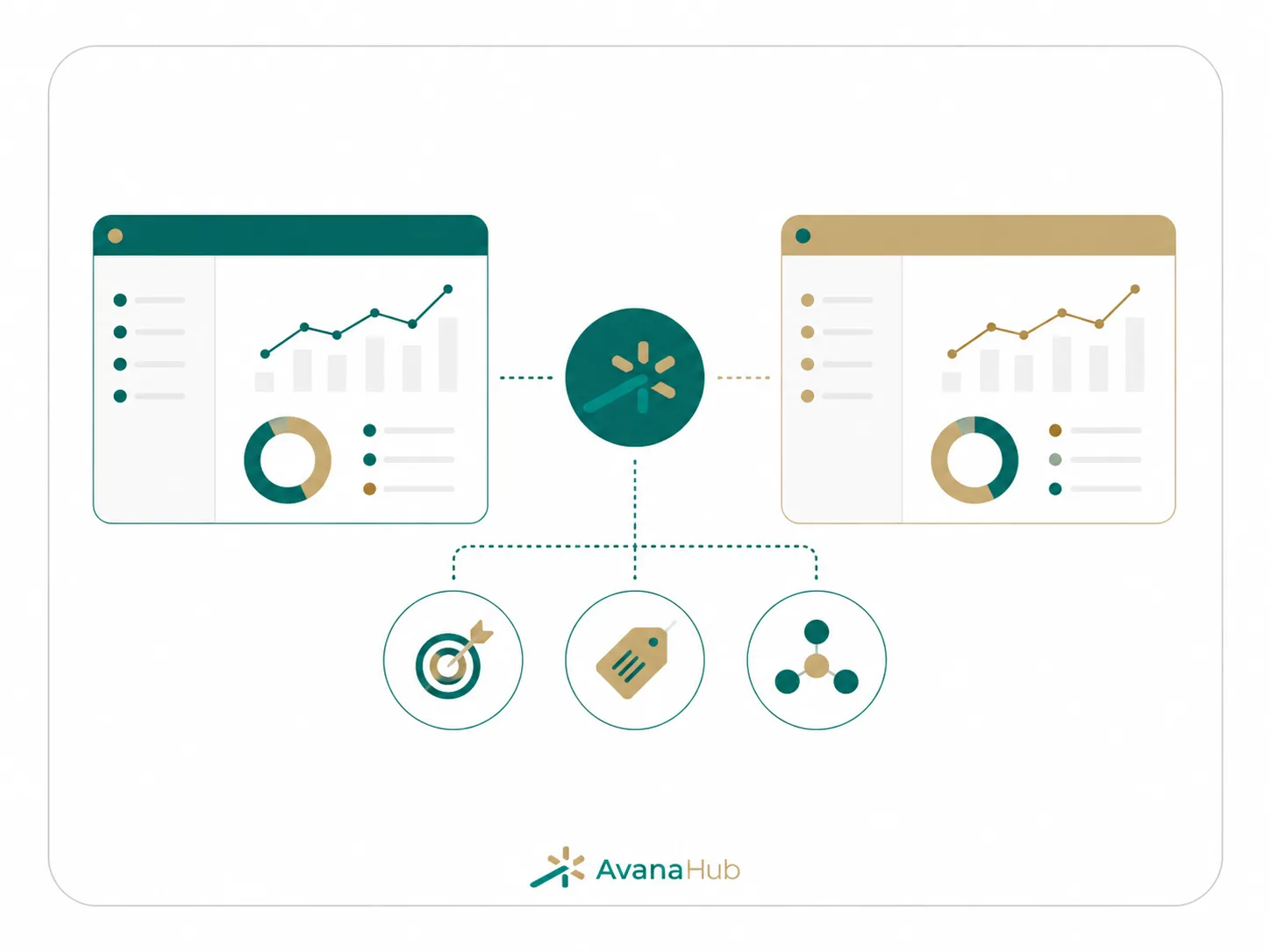
Ahrefs is usually the better choice for SEO specialists, link builders, content strategists, and teams that need deep backlink analysis, keyword research, competitor traffic insights, and a focused SEO workflow. Semrush is usually better for marketing teams, agencies, PPC specialists, and businesses that need SEO, advertising research, content tools, rank tracking, technical audits, and reporting in one broader platform.
The short decision framework is simple:
- Choose Ahrefs if backlink analysis, organic search research, competitor pages, and content opportunities are your main priorities.
- Choose Semrush if you need SEO plus PPC, content optimization, local tracking, competitor gap analysis, client reporting, and AI visibility workflows.
- Choose Ahrefs for cleaner SEO-first analysis.
- Choose Semrush for wider digital marketing coverage.
Neither tool is universally better. The right choice depends on your workflow, team size, reporting needs, budget, and whether you need a specialist SEO platform or a broader marketing suite.
Ahrefs and Semrush at a Glance
Core Positioning: SEO Platform vs Marketing Suite
Ahrefs has evolved from an SEO and backlink tool into a broader search and AI marketing platform, but its strongest identity remains search intelligence. Its Site Explorer is built around competitor research across organic search, AI search, backlinks, and paid traffic, with official data points including 35 trillion live backlinks and 10+ years of historical data.
Semrush positions itself as a broader platform for brand visibility across SEO, PPC, social, AI search, and competitive research. Its SEO Toolkit includes more than 20 tools and reports covering keyword research, backlink management, rank tracking, on-page seo, and technical site auditing.
The practical difference is workflow. Ahrefs is usually faster when the task is “analyze a website, understand its organic performance, inspect backlinks, and find content opportunities.” Semrush is usually more complete when the task involves SEO plus paid search, content planning, campaign reporting, and competitor monitoring across more marketing channels.
Keyword Research Comparison
Keyword research is one of the main reasons teams compare Ahrefs vs Semrush. Both tools help users find search volume, keyword difficulty, related keywords, SERP competitors, ranking pages, and content opportunities.
Ahrefs Keywords Explorer focuses on search queries, keyword ideas, clustering, proprietary SEO metrics, and location-based analysis. Ahrefs states that Keywords Explorer works with 28.7 billion filtered keywords from 110 billion discovered keywords and covers 217 locations.
Semrush is useful when keyword research needs to connect with competitor gaps, PPC data, content planning, and rank tracking. Its Keyword Gap tool compares keyword profiles for up to five competitors and can analyze organic, paid, or PLA keyword rankings.
For SEO-only teams, Ahrefs often feels more direct. For teams combining SEO and paid search, Semrush is usually more practical.
Backlink Analysis Comparison
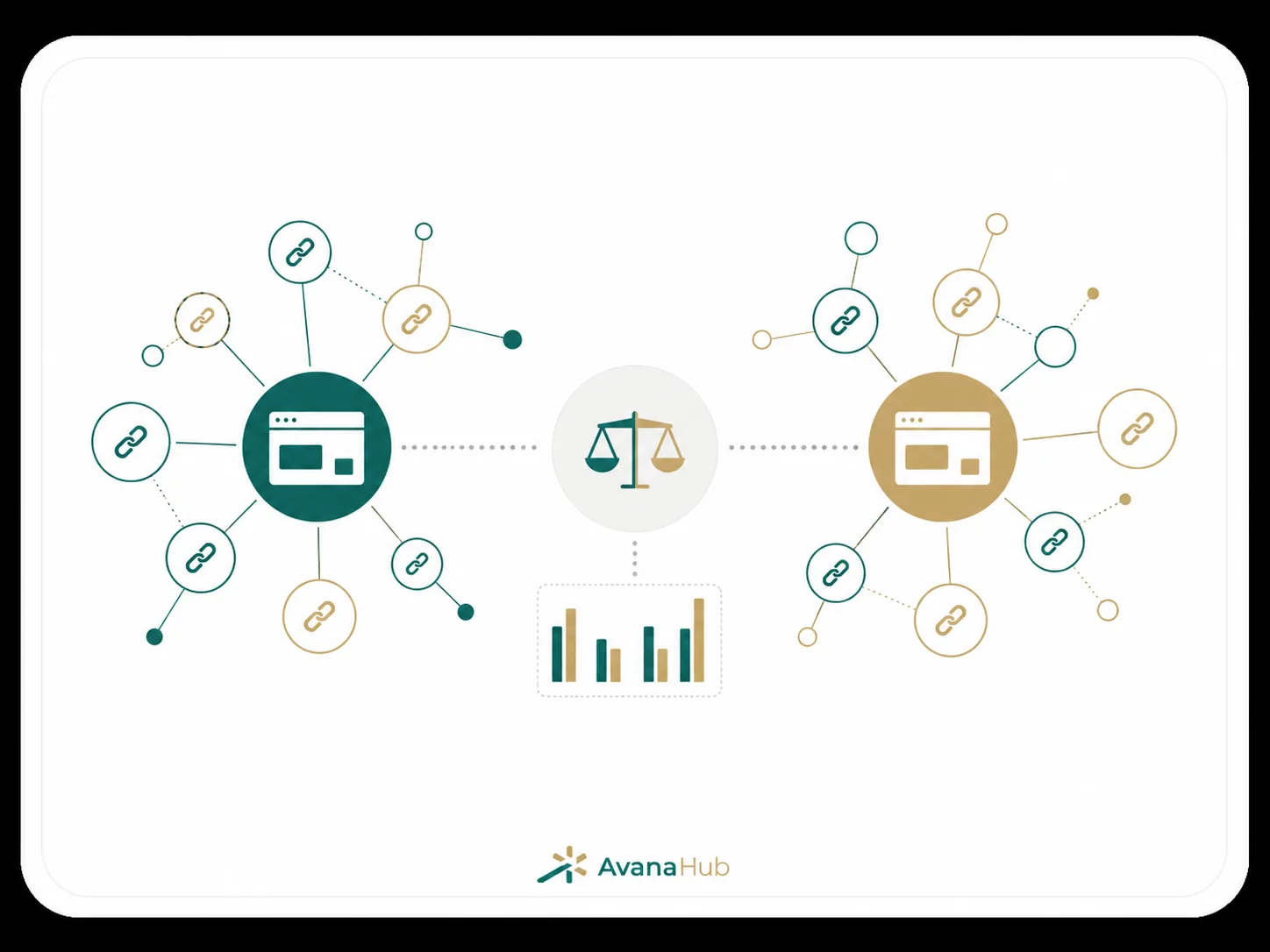
Backlink analysis is one of Ahrefs’ strongest use cases. It is useful for link building, competitor authority analysis, digital PR research, broken link building, and identifying pages that attract links in a specific niche.
Ahrefs Site Explorer includes backlink profile analysis, competitor link sources, backlink quality evaluation, linked pages, broken backlinks, and historical link data. Its official Site Explorer page highlights backlink profile research as one of the tool’s three major analysis areas, alongside organic and AI search traffic and paid traffic.
Semrush also provides backlink tools, but many teams choose Semrush because it combines backlink analysis with other marketing workflows. It is useful when backlink monitoring needs to sit beside site audits, keyword tracking, content optimization, PPC research, and client reporting.
For dedicated link building, Ahrefs is usually the stronger operational choice. For marketing teams that need backlink data as one part of a wider SEO program, Semrush is often sufficient.
Competitor Analysis
Both Ahrefs and Semrush are strong competitor research tools, but they answer slightly different questions.
Ahrefs is effective for questions such as:
- Which competitor pages drive the most organic traffic?
- Which pages earn the most backlinks?
- Which keywords are competitors ranking for?
- Which content formats are generating search visibility?
- Which subfolders or site sections perform best?
Semrush is effective for questions such as:
- Which keywords do competitors rank for that we do not?
- Which paid keywords are competitors bidding on?
- How do competitors perform across SEO and PPC?
- Which domains overlap with our organic and paid visibility?
- What content and technical issues affect our market position?
Ahrefs is often stronger for page-level and link-level competitor analysis. Semrush is often stronger for market-level comparison, keyword gap analysis, and combined SEO/PPC visibility.
Technical SEO and Site Audit
A reliable technical seo workflow helps identify crawl errors, broken links, redirect issues, duplicate content, missing metadata, Core Web Vitals problems, internal linking weaknesses, and indexation risks.
Ahrefs Site Audit is useful for crawling websites, finding technical issues, reviewing internal links, and monitoring SEO health across projects. It fits naturally into a workflow where the same platform is used for site analysis, keyword research, backlinks, and rank tracking.
Semrush Site Audit scans websites for more than 140 technical site health and SEO issues and groups findings by severity, including errors, warnings, and notices. This issue-prioritization structure is useful for teams that need a clear implementation queue.
For technical SEO specialists, either tool can work. For agencies or mixed-skill teams that need easy prioritization and reporting, Semrush may be easier to operationalize.
Rank Tracking Comparison
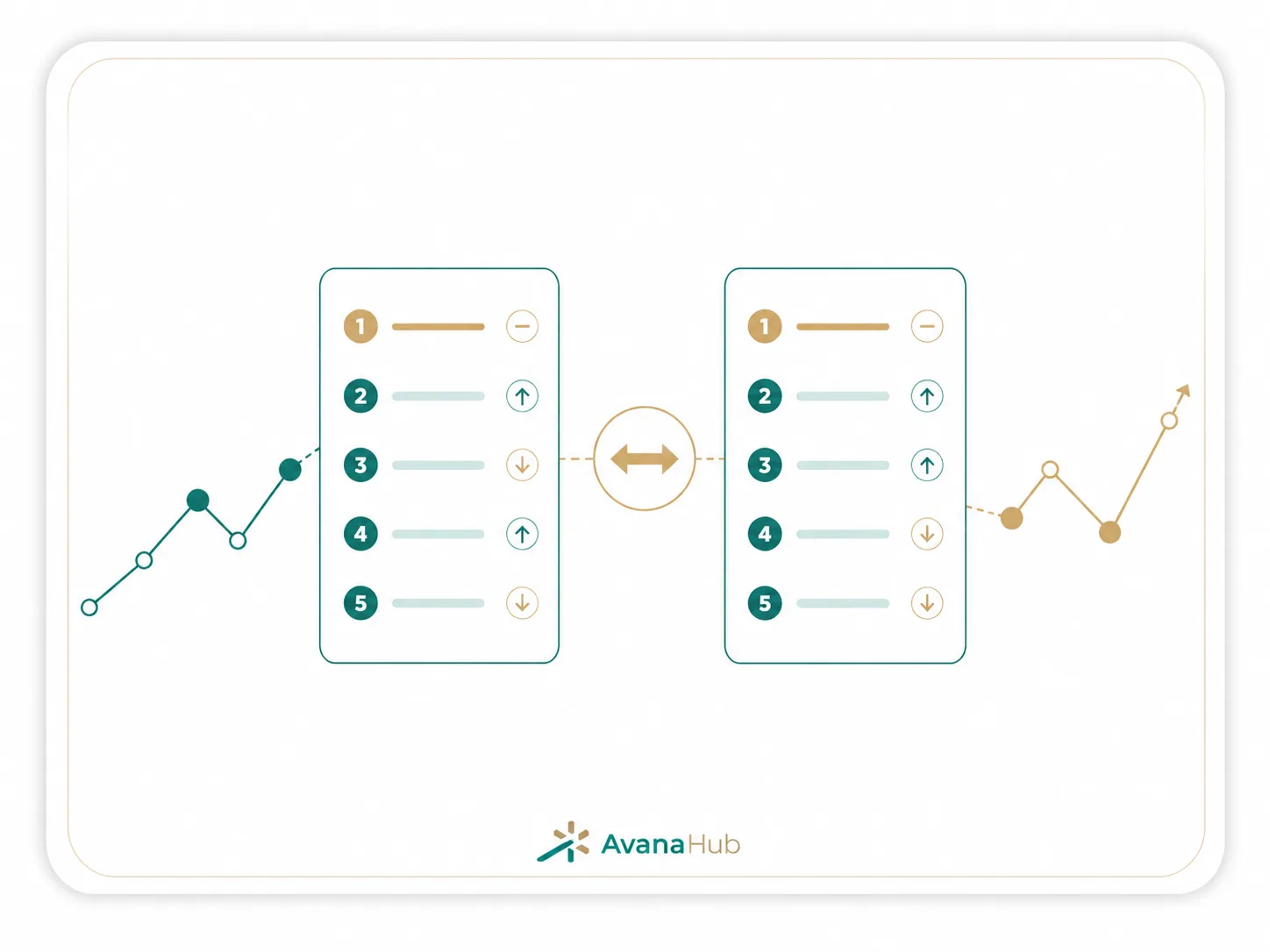
Rank tracking is essential for measuring SEO performance across target keywords, locations, devices, and competitors. Both Ahrefs and Semrush offer rank tracking, but usage limits and workflow details differ by plan.
Ahrefs includes Rank Tracker in its core toolset, with tracked keyword limits depending on the plan. Its pricing page lists tracked keyword limits such as 750 for Lite, 2,000 for Standard, 5,000 for Advanced, and higher limits for Enterprise.
Semrush includes Position Tracking in its SEO and AI Search plans. The Semrush pricing page lists 500 keywords tracked daily in the SEO and Starter tiers, 1,500 in Pro+, and 5,000 in Advanced.
The main distinction is the update model and broader reporting context. Semrush is often stronger for daily reporting workflows and agency dashboards. Ahrefs works well when rank tracking is part of a more research-focused SEO process.
Content Marketing and SEO Content Planning
Ahrefs supports content strategy through competitor content research, keyword discovery, top pages analysis, Content Explorer, keyword clustering, and SERP analysis. It works well when the goal is to identify content topics based on search demand, links, and competitor performance.
Semrush is broader for content marketing operations. It connects keyword research with topic research, SEO writing support, content optimization, competitor gaps, and reporting. For teams that manage multiple content campaigns, Semrush may reduce the need for separate tools.
Ahrefs is usually better for discovering what already works in search. Semrush is usually better for managing the full content workflow from research to optimization and reporting.
PPC and Paid Search Research
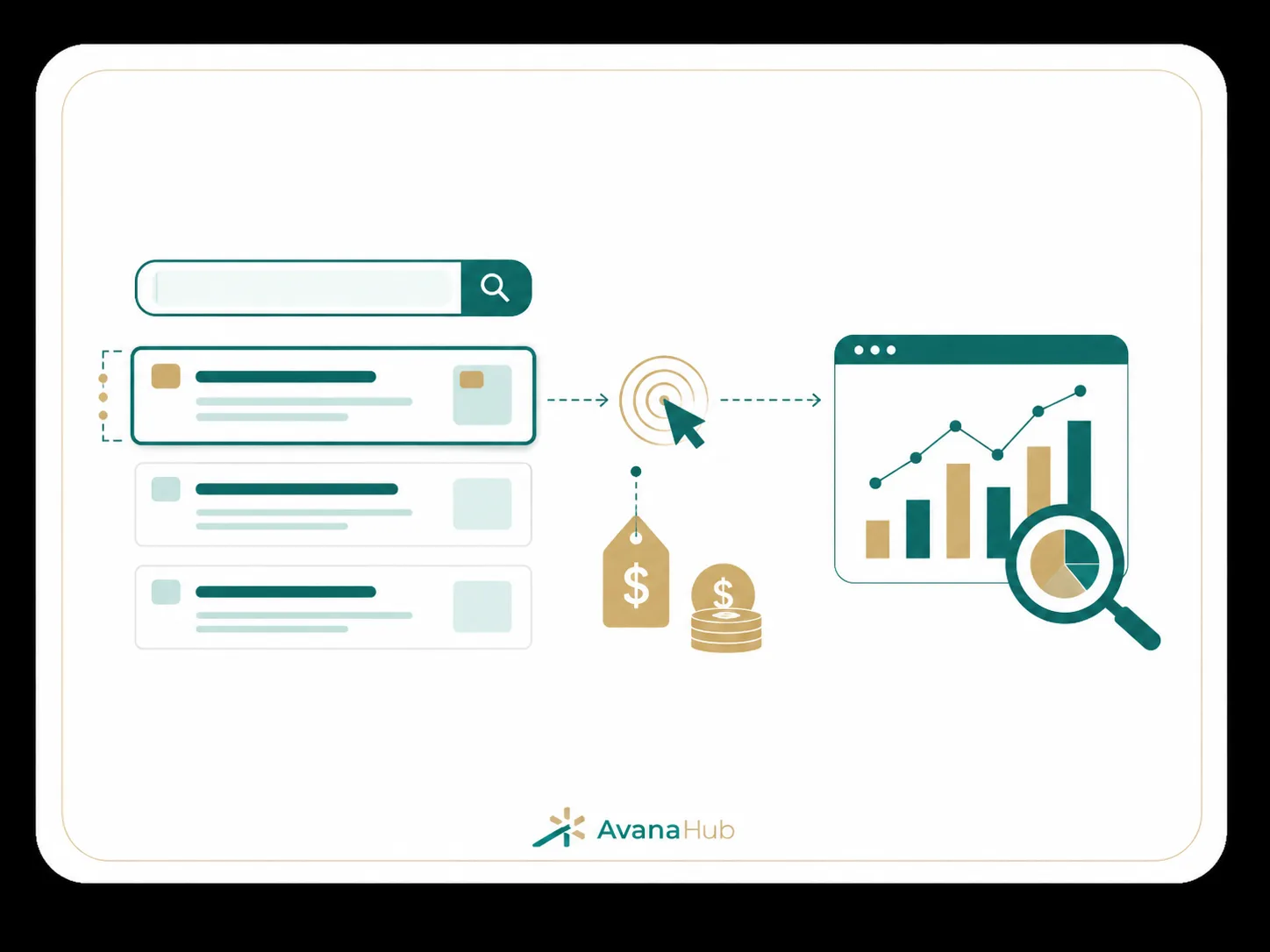
This is one of the clearest differences between the platforms. Ahrefs includes paid traffic insights inside Site Explorer, including competitor PPC strategy and paid landing pages.
Semrush is generally stronger for PPC research because paid search data is more central to its product ecosystem. It is useful for analyzing competitor ads, paid keywords, PLA keywords, CPC data, and SEO/PPC overlap.
For SEO teams that only need occasional paid search context, Ahrefs may be enough. For companies running Google Ads alongside SEO, Semrush is usually more useful.
AI Search and Brand Visibility
AI visibility has become a more important factor in SEO tool selection because users increasingly discover brands through AI-generated answers, summaries, and assistants.
This shift has made ai seo an important part of platform selection, especially for businesses that want to monitor brand mentions, citations, sentiment, and visibility across AI-generated search results.
Ahrefs now includes Brand and AI Search features, including brand mentions, citations, sentiment tracking across AI chatbots, and custom prompt tracking. Its platform messaging also highlights AI search, content, and brand visibility as part of its broader marketing platform.
Semrush also offers SEO + AI Search plans, with features such as AI search performance tracking, AI sentiment monitoring, AI visibility reports, custom prompt monitoring, and AI-ready Site Audit.
This area is changing quickly. Teams should not choose a platform only because it has AI visibility features. They should check whether the tool tracks the AI platforms, prompts, countries, competitors, and reporting views that matter to their actual business.
Pricing Comparison
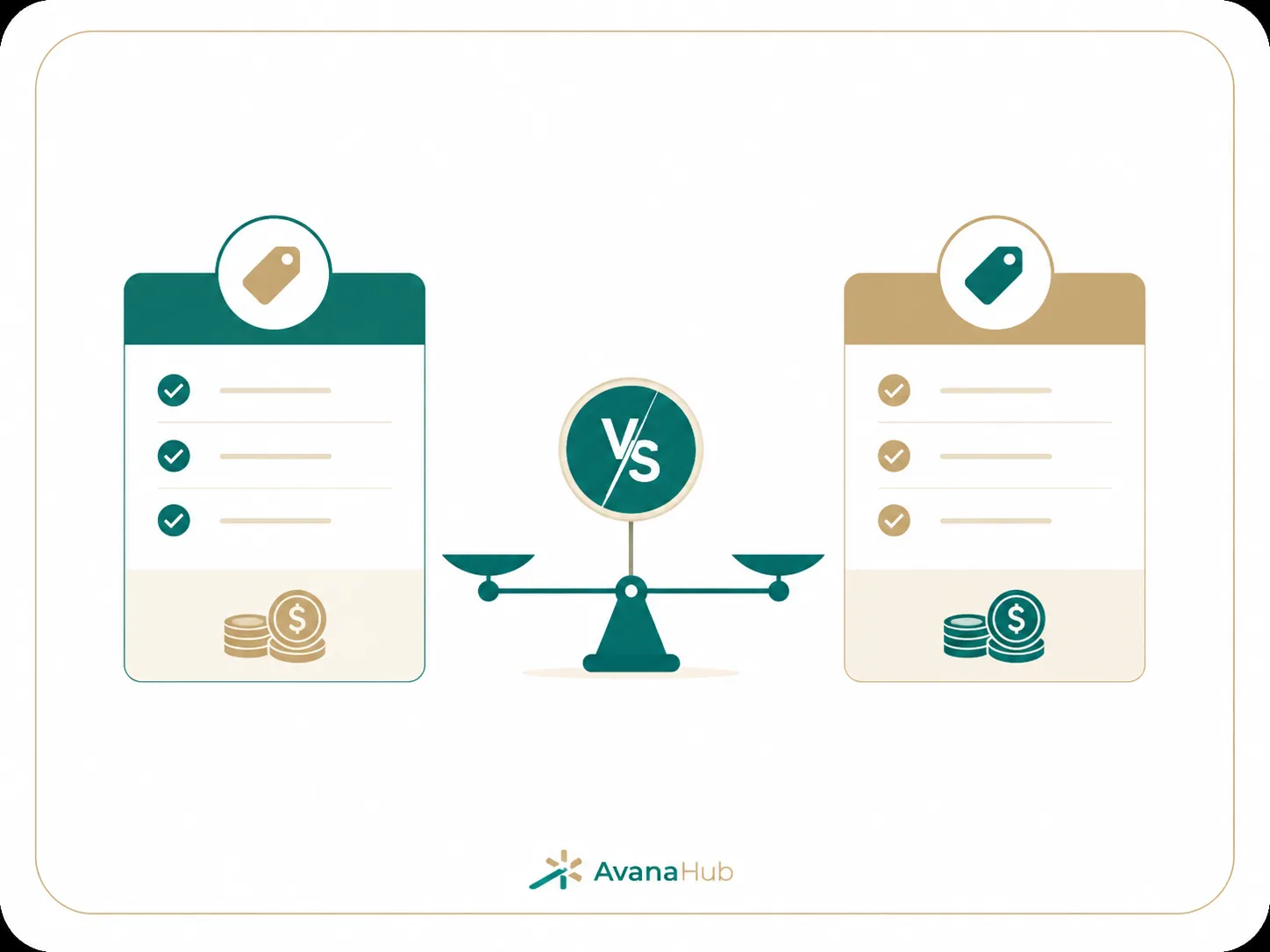
Pricing changes over time, so the best practice is to verify current plan details before purchase. As of the available official pricing pages, Ahrefs lists Starter at $29/month, Lite at $129/month, Standard at $249/month, Advanced at $449/month, and Enterprise from $1,499/month.
Semrush’s SEO + AI Search pricing page lists annual-billing monthly equivalents including SEO at $117.33/month, Starter at $165.17/month, Pro+ at $248.17/month, and Advanced at $455.67/month. These pages also show plan-based limits for monitored websites, tracked keywords, AI visibility reports, and prompt tracking.
Ahrefs can be more accessible for users who only need a low-cost SEO entry point. Semrush can be more cost-effective when a team would otherwise pay for separate tools for SEO, PPC, content, reporting, and AI visibility.
Data Accuracy and Practical Reliability
No SEO tool has perfect data. Ahrefs and Semrush estimate keyword volume, traffic, backlinks, rankings, and competitor visibility using their own databases and calculation methods. Differences between the tools do not always mean one is “wrong”; they often reflect different data sources, crawling systems, update frequencies, and modeling methods.
The practical way to judge data quality is by use case:
- For backlinks, compare discovered referring domains against Google Search Console and known link campaigns.
- For keyword research, compare estimated traffic potential with actual Search Console impressions.
- For rank tracking, test location and device settings against manual SERP checks.
- For technical SEO, validate tool findings through crawlers, server logs, and CMS checks.
- For content opportunities, compare tool suggestions with SERP intent and conversion potential.
The best SEO teams use these tools for decision support, not absolute truth. Google Search Console, analytics data, CRM revenue data, and conversion tracking should remain the primary sources for performance validation.
Best Use Cases for Ahrefs
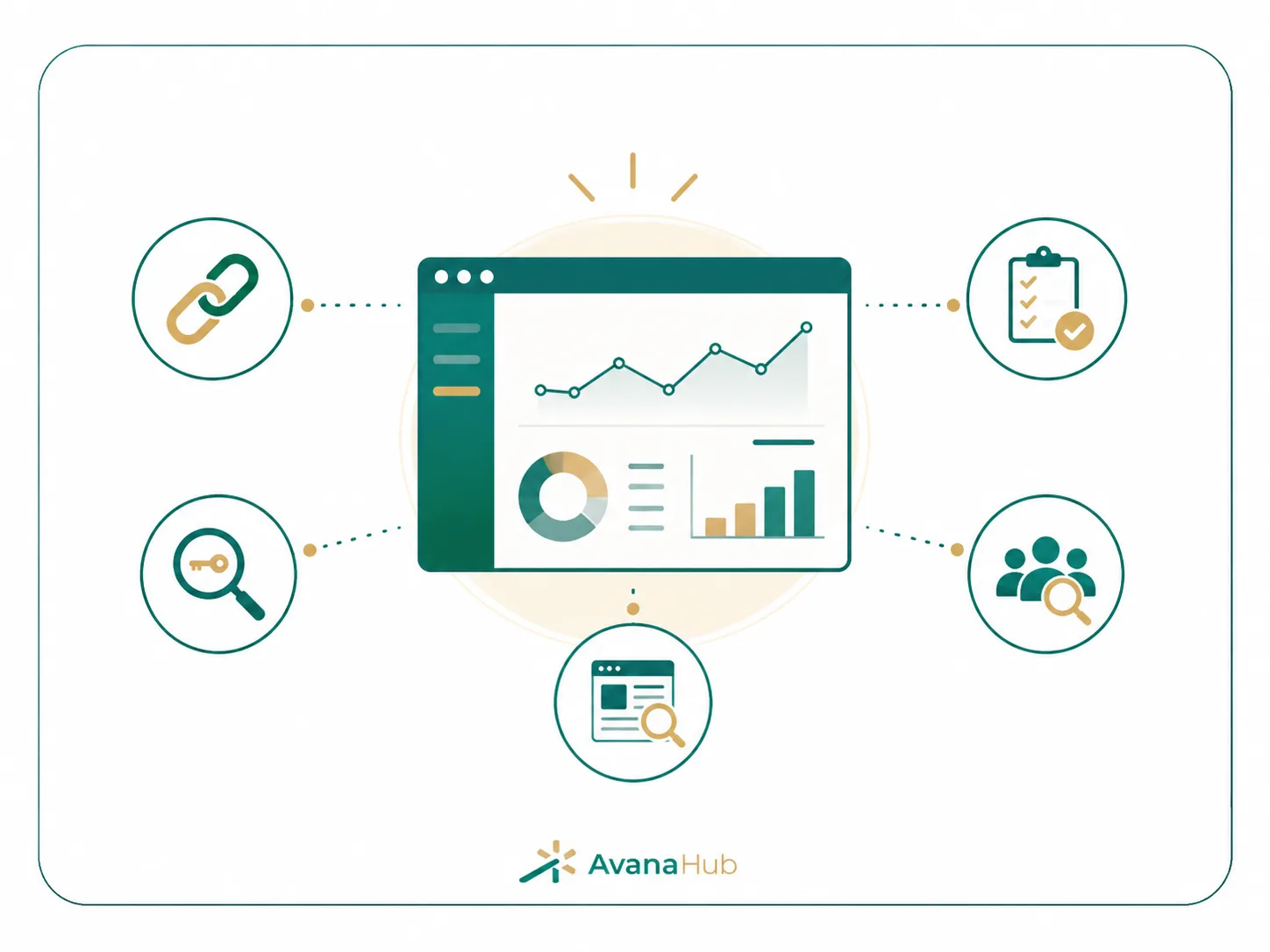
Ahrefs is a strong choice when the work depends on organic search analysis, backlink research, and competitor content intelligence.
Ahrefs is especially useful for:
- Link building research
- Competitor backlink analysis
- Finding top-performing competitor pages
- Keyword research for SEO content
- Identifying content gaps
- Evaluating organic traffic potential
- Auditing internal links and technical issues
- Building topic clusters from SERP and keyword data
- Monitoring organic search growth
Ahrefs is less ideal when a team needs a single platform for PPC, social, local marketing, client dashboards, and broad multi-channel campaign management.
Best Use Cases for Semrush
Semrush is a strong choice when a business needs one platform for multiple digital marketing workflows.
Semrush is especially useful for:
- SEO and PPC competitor research
- Keyword gap analysis
- Position tracking
- Technical SEO audits
- Content optimization
- Agency reporting
- Local and multi-location SEO workflows
- AI visibility monitoring
- Cross-channel visibility analysis
- Managing several client or business projects
Semrush may feel heavier than necessary for users who only need backlink research, organic competitor analysis, and focused SEO workflows.
Decision Framework: How to Choose Between Ahrefs and Semrush
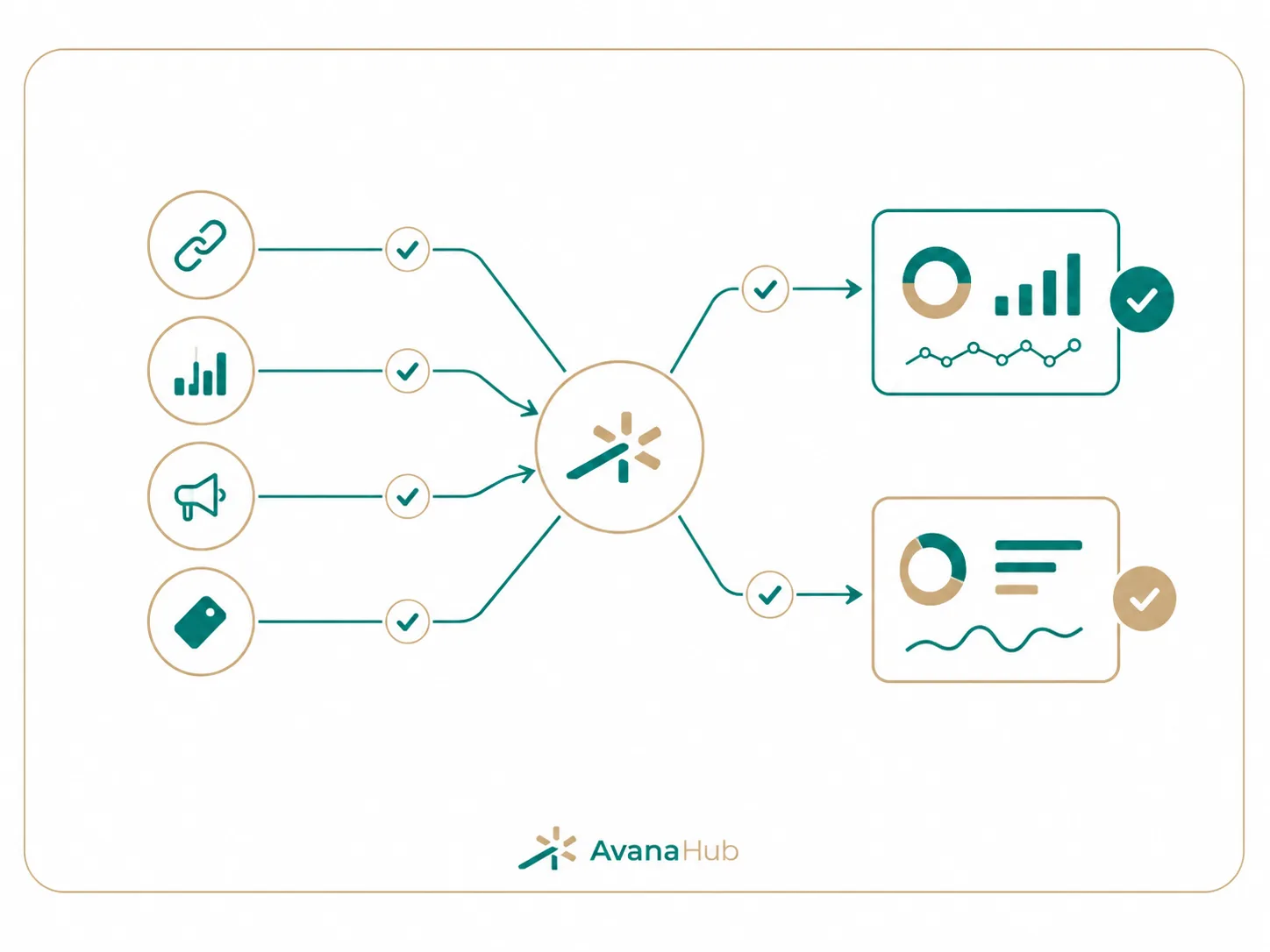
The right tool is the one that matches your operating model. Use this framework before purchasing either platform.
A simple rule: choose Ahrefs when your biggest challenge is finding, analyzing, and winning organic search opportunities. Choose Semrush when your biggest challenge is managing SEO as part of a wider digital marketing system.
Implementation Checklist Before Buying Either Tool
Many teams buy SEO software before defining how it will be used. That leads to unused features, unclear reporting, and weak ROI. Before choosing Ahrefs or Semrush, complete this checklist.
Businesses working with agencies or outsourced seo services should also check whether the platform supports shared projects, automated reports, user access controls, and clear communication between internal and external teams.
- Define the top three workflows the tool must support.
- List who will use the tool and how often.
- Separate SEO-only needs from broader marketing needs.
- Check required limits for projects, users, tracked keywords, crawled pages, exports, and reports.
- Test competitor research using your real market.
- Compare keyword data against Google Search Console.
- Run a technical audit on your actual website.
- Review whether PPC data is necessary.
- Check if AI visibility features match your target platforms and locations.
- Estimate whether the tool can replace any existing software.
- Define KPIs before starting the subscription.
The buying decision should be based on workflow value, not the longest feature list. A smaller team may get more value from one deeply used tool than from a larger suite used only for occasional reports.
Common Mistakes When Comparing SEO Tools
The most common mistake is comparing Ahrefs and Semrush feature by feature without connecting those features to business outcomes. A tool can have more reports and still be less useful for a specific team.
Other common mistakes include:
- Choosing based only on keyword database size
- Ignoring user limits and export limits
- Treating estimated traffic as exact traffic
- Using tool scores as final SEO decisions
- Buying a broad suite when only backlink analysis is needed
- Buying a specialist SEO tool when PPC and reporting are also required
- Not testing the tool with real competitors before subscribing
- Ignoring how the team will turn reports into implementation tasks
A good SEO tool should reduce decision friction. If a platform creates more reports but fewer actions, it is not improving SEO execution.
Conclusion
Ahrefs and Semrush are both strong SEO platforms, but they serve different operating needs. Ahrefs is usually the better fit for focused SEO work, backlink analysis, organic competitor research, and content opportunity discovery. Semrush is usually the better fit for teams that need SEO, PPC, content optimization, AI visibility, rank tracking, technical audits, and reporting in one broader system. The best choice depends on workflows, team structure, campaign complexity, and whether the business needs specialist SEO depth or multi-channel marketing coverage. Before choosing either tool, test it against real competitors, real keywords, and real reporting needs.