
If your Google review count dropped overnight, you're not imagining it. Thousands of businesses have reported missing reviews since late January 2026, and the cause isn't a glitch — it's stricter automated filtering tied to updated Google policies. Google removed over 292 million policy-violating reviews in 2025 alone, and enforcement has only tightened since. This article explains exactly what changed, why your reviews vanished, and what to do about it. At Avanahub, this has become one of the top client questions in the past two months, so the fixes below are the ones we actually recommend.
Why Are Google Reviews Disappearing?
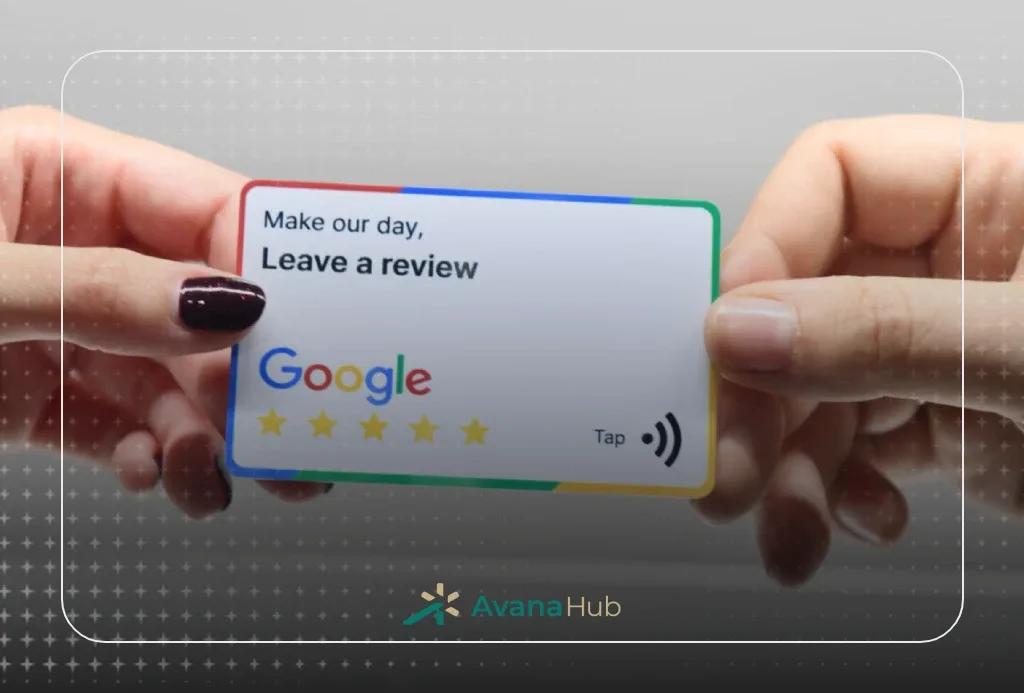
The short answer: Google's AI-powered review filtering system is running more aggressively than before, and it's catching both legitimate fake-review patterns and, sometimes, genuine customer reviews that happen to look suspicious.
Google's filter now evaluates dozens of signals on every review, including:
- Account age, activity, and whether the reviewer uses Google regularly
- Timing patterns — reviews that cluster together within minutes or hours of each other
- Language similarities that suggest templated content
- Device and IP address patterns across multiple reviews
- Rating distributions that look statistically abnormal
When the system flags a review, it disappears from your public profile without notification. The business owner just notices a lower count.
There are two separate issues happening right now, and they need different responses:
If a review disappears and reappears on its own within a week, it was probably a display bug. If it stays gone, it was filtered.
What Actually Changed in Google's Policies
Google quietly updated its Business Profile review policies in February 2026, then again on April 17, 2026. Neither update came with a formal announcement, which is part of why so many businesses were caught off-guard.
Stricter Rules on Incentives
The definition of "incentive" is now much broader. It used to mean discounts or free products in exchange for reviews. It now includes:
- Entering customers into prize drawings after they leave a review
- Offering "thank-you rewards" of any kind
- Loyalty points or perks tied to review submission
- Staff bonuses based on generating reviews
Any benefit a customer receives in exchange for leaving feedback — no matter how small — now falls under the incentive ban.
Review Gating Is Fully Banned
Review gating means filtering customers before the public review — asking only happy ones to leave a Google review while routing unhappy ones to a private feedback form. Google has technically banned this for years, but enforcement is now automated and aggressive. Businesses using review management software that includes a "satisfaction filter" step are particularly exposed.
On-Site Kiosk Reviews and Name Mentions
The April 2026 update specifically targeted two tactics that were widespread:
- Asking customers to leave a review while still physically in your business, often via a tablet or kiosk.
- Asking reviewers to mention a specific employee's name or a specific service in their review.
Both are now explicit violations. Kiosk reviews are flagged because multiple reviews from the same device trigger spam filters automatically, and coercing a review while a customer is in your space creates the kind of pressured feedback Google has decided to clean out.
Selective Solicitation
Businesses can't selectively ask only their happiest customers for reviews. The process has to be applied to all customers equally, with no filtering based on who's likely to leave positive feedback.
How Missing Reviews Hurt Your Local SEO
Lost reviews damage your business in three overlapping ways: trust, conversion, and ranking.
Customers rely on review volume to decide where to spend money. A business with 200 reviews looks more established than one with 120, even if both have the same 4.8-star rating. When your count drops overnight, customers scanning the map pack notice — and they click the competitor with more visible reviews.
Click-through rates fall when star ratings dip even slightly. A drop from 4.7 to 4.5 stars might seem minor, but it measurably reduces how often users choose your listing from the local pack.
Rankings suffer because review quantity, quality, and recency are established local ranking factors. Google doesn't publish exact weights, but the correlation is clear: businesses with a steady flow of authentic reviews rank better than those with sudden gaps. Ranking adjustments after mass review removal typically show up within two to four weeks.
5 Practical Ways to Protect Your Reviews
You can't control Google's filtering system, but you can control how reviews come into your profile — and that's where most removals start. The five steps below address the patterns that trigger filters most often, in the order that matters most.
1. Stop Anything That Looks Like an Incentive
Audit your current review process for anything a customer receives in exchange for leaving a review. If there's a discount code, a raffle entry, a loyalty perk, or even a warm thank-you email implying appreciation, rework it. The request has to be neutral — just an ask, with no attached benefit.
2. Spread Out Your Review Requests
Sudden spikes in review volume are one of the top triggers for automated filtering. If you've been pushing review campaigns that generate 20 reviews in a week after months of silence, the filter reads that as coordinated activity.
Steady velocity matters more than total volume. A business that gets 3 to 5 reviews per week consistently is far less likely to trigger filters than one that gets 30 in a single campaign. Build review requests into your normal customer follow-up flow rather than running sporadic pushes.
3. Monitor Review Counts Weekly
Most businesses only notice missing reviews when a customer mentions it or when the count looks obviously wrong. That's too late to spot patterns. A weekly check of your review count, average rating, and recent reviews lets you catch filtering activity early and adjust your process before more reviews vanish.
A simple log with date, review count, and rating is enough. When something drops, you have the documentation you need to file an appeal.
4. Use Google's Review Appeal Tool Correctly
If a review you believe is legitimate gets removed, Google's Reviews Management Tool lets you appeal. Appeals work best when they're specific and supported by evidence:
- Identify the exact review that was removed and when
- Reference the specific policy section the review doesn't violate
- Provide context if the reviewer is a verified customer (receipt, appointment record)
Broad, frustrated appeals almost never result in reinstatement. Targeted appeals with evidence sometimes do, especially when the review was caught in a pattern rather than flagged individually.
5. Build Review Volume Through Process, Not Campaigns
The strongest defense against review volatility is a steady flow of authentic reviews that doesn't spike or stall. That means building review requests into standard customer touchpoints — after service completion, in your normal email follow-up, on receipts or invoices — rather than running separate "review drive" campaigns.
Businesses that generate reviews this way rarely notice filtering impacts, because the volume is spread evenly and the pattern looks natural to Google's systems.
What to Do If Your Reviews Already Disappeared

The immediate steps, in order:
- Check whether it's a display bug or a removal. Wait 5 to 7 days. If the reviews come back on their own, it was a visibility glitch — nothing you did caused it, and nothing you do fixes it.
- Document everything. Screenshot your current review count, the missing reviews if you can find them in your records, and the timing.
- Audit the past 60 days of review activity. Look for timing clusters, shared devices, similar language, or suspicious reviewer accounts. Identifying a pattern helps you fix the process and strengthens any future appeals.
- File targeted appeals for specific reviews you believe were removed in error, using the Reviews Management Tool.
- Fix the underlying process before generating more reviews. Continuing the same pattern that caused the filter to flag your profile just invites more removals.
Conclusion
Google's review ecosystem is no longer stable infrastructure you can set up once and leave alone. Policy updates are quiet, enforcement is automated, and the bar for what counts as manipulation is getting lower each year. The businesses that keep their reviews through enforcement cycles aren't the ones with the most aggressive collection tactics — they're the ones with the steadiest, most compliant processes.
If your reviews disappeared recently, the fix isn't to chase them back one by one. It's to audit your collection process, remove anything that could trigger filters, and build a slower, more consistent flow of authentic reviews that doesn't spike and doesn't depend on incentives.