
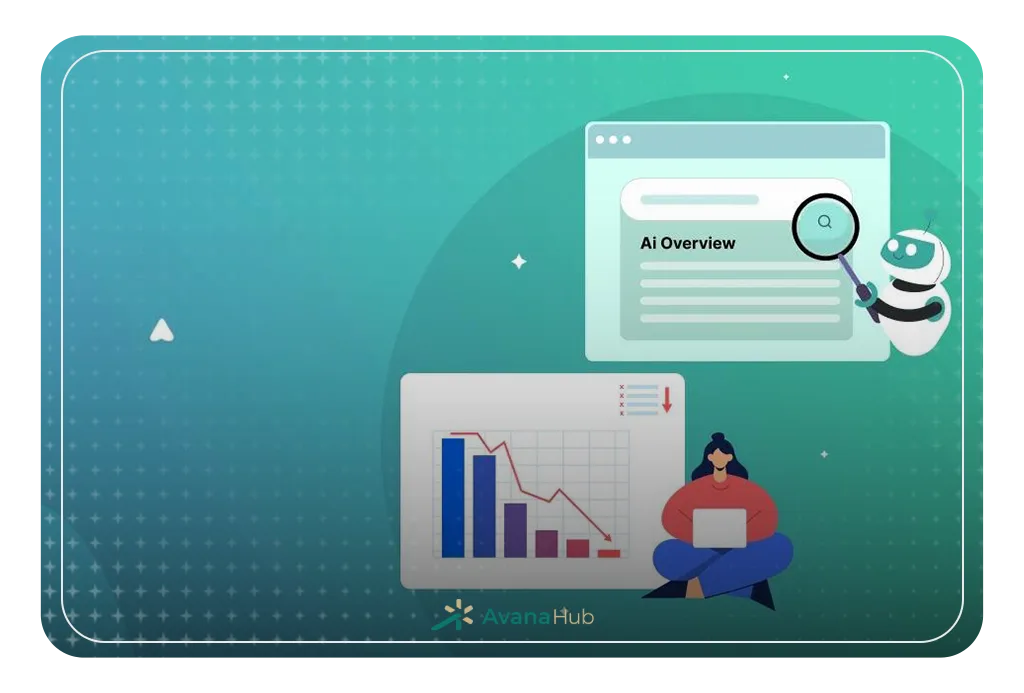
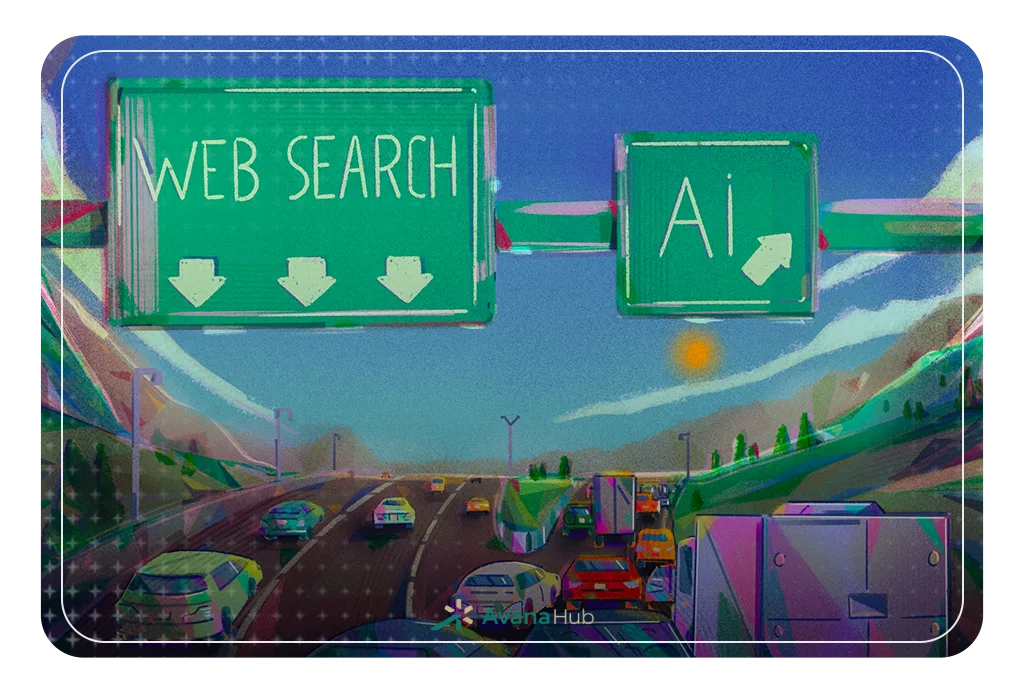
Pages that ranked #1 in 2022 and convert at half their previous rate in 2026 aren't broken. They're being visited by a different audience than they used to be. AI Overviews now answer the informational queries that used to drive top-funnel traffic, leaving only mid and bottom-funnel visitors actually clicking through. The same page now attracts a higher-intent audience — but the page itself is still optimized for the lower-intent traffic that no longer arrives. The result is a measurable conversion gap most sites haven't diagnosed yet. This article covers why the conversion drop is happening, why it's actually a sign of healthier traffic, and the specific changes that recover conversion rates without sacrificing rankings.
The Counterintuitive Truth About Your Traffic
Traffic volume is down. Traffic quality is up. Most sites haven't reconciled what that means for conversion optimization.
Here's what's actually happening. AI Overviews now appear on 58% of US queries (up from 12% in 2024). They answer informational questions directly on the search results page — questions like "what is X," "how does Y work," "when was Z founded." The users who used to click through for those answers now don't need to.
The users who do click through are the ones with deeper questions, comparison needs, or transactional intent. They're more qualified, more decision-ready, and more valuable per visit. Seer Interactive's data shows AI search visitors who click convert at 23x the rate of traditional search visitors.
But here's the gap: most pages are still designed for the old audience.
The Mismatch That Kills Conversions

A typical mid-funnel blog post written in 2022 was structured for someone who didn't know much about the topic. The opening explained basic concepts. The middle laid out background. The conversion-relevant content appeared in the last third — if at all.
That structure worked because the audience was 70% top-funnel browsers and 30% mid-funnel researchers. The browsers stayed for a few minutes, the researchers stayed longer, and the page averaged decent engagement.
In 2026, that same page is being visited by an audience that's 90% mid-to-bottom-funnel. They already know the basics. They scroll past the introduction, skim the background, and look for the part that helps them make a decision. Most of them don't find it because the page wasn't designed for them.
The conversion rate drops. The bounce rate climbs. The page still ranks (because Google's relevance signals are still good), but the business value has collapsed.
How to Diagnose This on Your Own Site
A 30-minute audit reveals whether this is happening to you.
Compare Page-Level Conversion Rates Over Time
Pull conversion data for your top 20 organic landing pages in Google Analytics or your equivalent tool. Compare:
- Conversion rate in 2022 (or 2023) vs. conversion rate in 2026
- Average session duration over the same comparison
- Bounce rate over the same comparison
Pages with the diagnostic pattern show:
If your top organic pages show this pattern, you have the audience-mismatch problem. The good news: the remaining traffic is more valuable than it looks once you fix the page to serve it properly.
Check the Search Queries That Now Drive Clicks
Open Google Search Console, filter by your top affected pages, and look at the queries actually driving clicks now versus 12 months ago. The shift is usually obvious:
- Old queries: "what is X," "how does Y work," "introduction to Z"
- New queries: "best X for [specific use case]," "X vs Y comparison," "X pricing 2026," "X for [specific industry]"
The queries shifted from informational to commercial. Your page probably hasn't shifted with them.
The Fix: Re-Engineer Pages for the New Audience
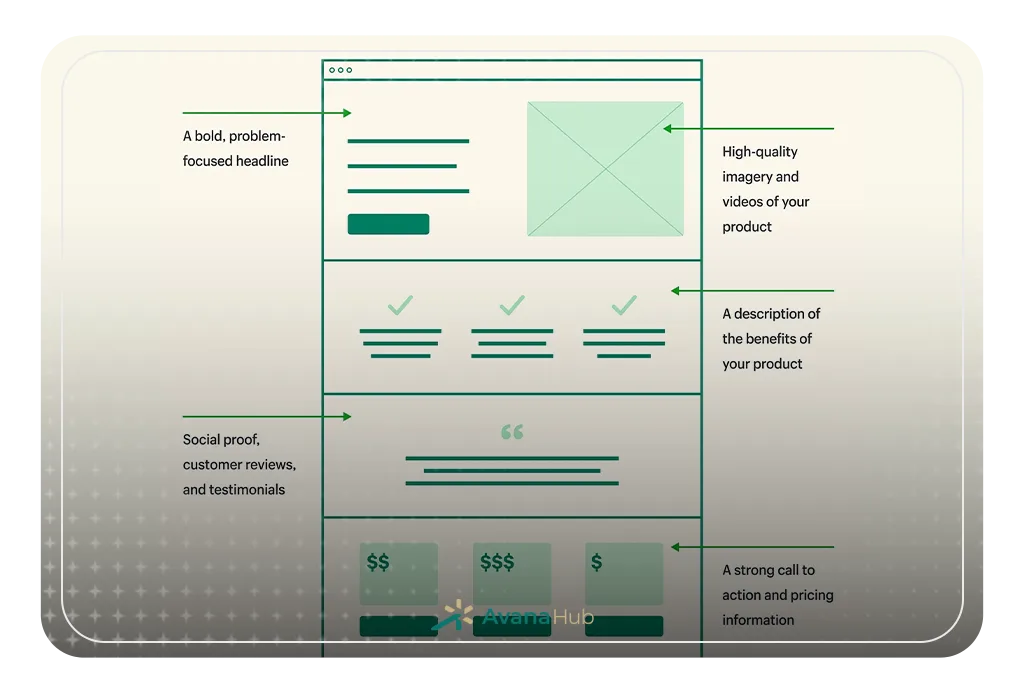
The work isn't rebuilding pages from scratch. It's restructuring them around what current visitors actually need.
Move the Decision-Stage Content Up
The most important change. If your page used to put comparison tables, pricing context, recommendations, or use-case-specific guidance in the bottom third, move it to the top half — preferably above the first major content break.
The reasoning: 2026 visitors who clicked past an AI Overview did so because they need information beyond a definition. The fastest way to lose them is to start with a definition. Lead with the comparison, the recommendation, or the practical guidance. Background context can stay below the fold for the smaller share of visitors who need it.
Replace Definitions With Direct Answers
Sections that used to start with "X is..." should now start with the practical answer the visitor came for.
Old structure:
"Email marketing is a digital marketing strategy that involves..." [3 paragraphs of background] "...so the best email tools for small businesses include..."
New structure:
"The best email tools for small businesses in 2026 are X, Y, and Z. Here's why each one fits a specific use case..." [Practical guidance] [Background available for those who want it, lower on the page]
Add Comparison Tables Earlier
Visitors with commercial intent compare options. They scan tables faster than they read prose. Pages with comparison tables in the top third see measurable conversion lift over the same content presented as paragraphs.
The pattern that works:
- Lead paragraph stating the recommendation or framework
- Comparison table breaking down the main options
- Detailed explanations of each option below the table
- Decision-stage content (CTAs, next steps) integrated throughout
This structure also performs better in AI search citations, so the SEO and conversion fixes overlap.
Strengthen Mid-Page CTAs
Most pages have one CTA at the top and one at the bottom. Pages converting well in 2026 have CTAs distributed throughout, especially after content sections that provide decision-relevant information.
The logic: a higher-intent visitor may decide to act after reading a comparison table or seeing pricing context. If the next CTA is 1,500 words away, momentum dies. If a contextual CTA appears immediately, conversion happens.
This isn't about CTA stuffing. It's about meeting the visitor at the moment they're ready to act, which now happens earlier in the page than it used to.
Update Examples and Use Cases
If your examples are from 2022, your audience notices. Visitors with high intent are evaluating credibility actively — outdated examples signal an outdated page, even if the underlying advice is still valid.
The simple update: refresh examples annually. Keep the structure. Change the references, the screenshots, the numbers, and the year.
What Doesn't Work (And Why)
A few common responses to declining conversion rates that backfire:
Adding more content to the page. Longer pages don't help higher-intent audiences. They make pages harder to scan. Conversion-stage visitors want less, not more.
Adding more popups. Aggressive popups specifically hurt the higher-intent audience because they interrupt the exact users who were about to convert organically.
Optimizing for the lost audience. Trying to win back top-funnel browsers who now get answers from AI Overviews is fighting a structural shift. The traffic isn't coming back. Optimize for who's actually arriving.
Treating the symptom (lower volume) instead of the cause (audience mismatch). Sites that respond to traffic decline by publishing more content typically end up with more low-converting pages, not better-converting ones.
The Reframe That Changes the Strategy
The most useful mental shift: stop measuring page success by traffic volume, start measuring it by revenue per visitor.
A page that used to get 10,000 visitors per month and converted 1% (100 conversions) is functionally identical to a page that now gets 4,000 visitors per month and converts 2.5% (100 conversions). The traffic decline looks alarming. The revenue is unchanged.
If conversion rate doesn't increase enough to offset traffic decline, you have a real problem. If it does, the volume metric is misleading.
How to Track Whether Your Fixes Are Working
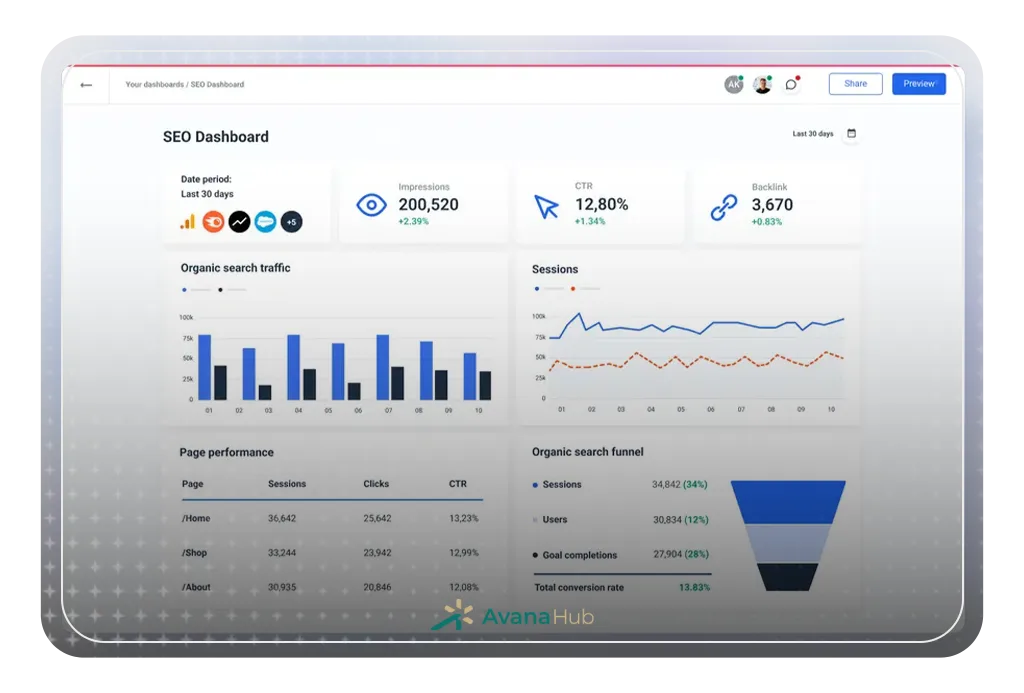
The metrics that actually tell you whether the page is now serving its audience properly:
- Conversion rate by source/medium — specifically organic search, segmented by landing page
- Time on page for converting users — should hold steady or increase as the page gets better at the work it's now doing
- Click-through rate to product or pricing pages — proxy for purchase intent activation
- Branded follow-up searches — increase suggests the page is building enough confidence that users come back
- Email signups or other mid-funnel conversions — if direct purchase conversions don't move, mid-funnel actions often do first
Sessions and rankings stay important as diagnostic signals, but they're no longer the primary success measure for high-intent traffic.
What This Means for New Content
Beyond fixing existing pages, the audience shift changes how new content should be structured from the start.
The pattern that works in 2026:
- Lead with the practical answer or recommendation
- Include comparison tables, frameworks, or decision matrices early
- Distribute CTAs throughout based on content context, not template
- Keep background context available but below the fold
- Update examples annually, not "when you remember"
- Build for the visitor who already knows the basics, not the one being introduced to the topic
Pages built this way tend to outperform old-style introductory content even when the old content has stronger backlinks and longer publication history.
Conclusion
The conversion rate decline on top-ranking pages isn't a sign that SEO is broken. It's a sign that the audience composition has changed faster than most pages have. The visitors arriving in 2026 are higher-intent, more qualified, and worth more per session than the ones who used to dominate organic traffic — but pages built for the old audience can't capture that value.
The fix is mechanical: lead with the decision-stage content, integrate comparison and recommendation early, distribute CTAs to match how qualified visitors actually move through pages, and stop optimizing for an audience that no longer arrives.
If your top organic pages show declining conversion alongside declining traffic, both numbers are telling you the same thing. Fix the page for the audience you have, not the audience you used to have.