
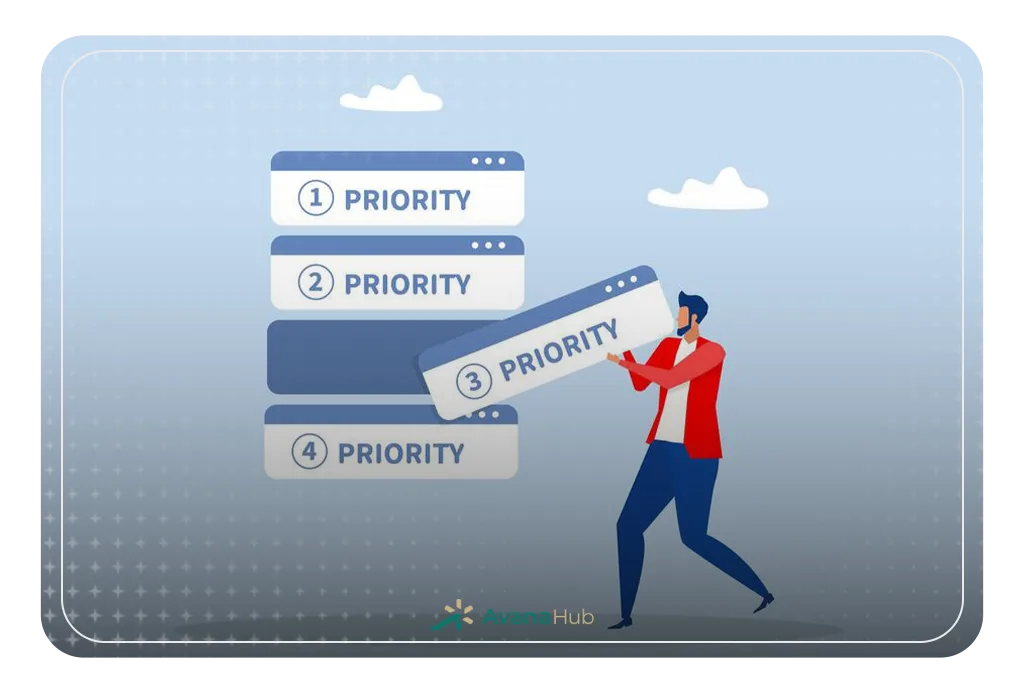
After the April 2026 core update, established brands are outranking technically superior websites with weaker brand signals — across nearly every industry. The shift isn't subtle. SearchAtlas data shows backlinks dropped from 80% of off-page ranking weight in 2012 to 45% in 2026, while brand mentions and entity signals now make up 55% of off-page influence. Knowledge Panel triggers are 30% higher for brands with significant unlinked mentions. Sites with consistent editorial mentions across 20+ publications see branded search volume rise 34-67% within six months. This article covers what the "brand tax" actually is in algorithmic terms, why it's hitting now, and the specific 90-day playbook small businesses can use to build brand signals at speed — without enterprise budgets or PR agencies.
What the "Brand Tax" Actually Is
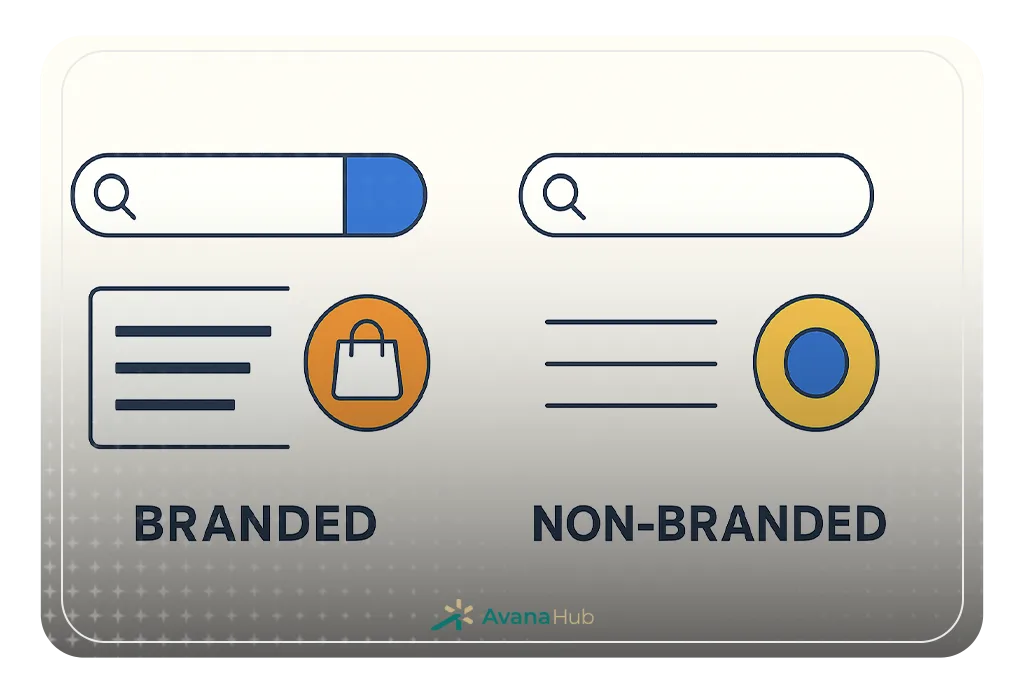
In 2026, Google charges a hidden tax on businesses without strong brand signals: their content needs to be measurably better than a recognized brand's content to rank in the same position. The tax isn't documented in any algorithm guideline. It's an observed pattern across thousands of audits.
Two pages on the same topic, with similar quality and SEO:
- Recognized brand: Ranks despite mediocre on-page execution
- Unrecognized site: Needs significantly better content + better SEO + stronger backlinks to match the same position
The recognized brand isn't winning because Google favors them arbitrarily. They're winning because Google interprets brand recognition as a trust shortcut — and assigns weight accordingly.
Why This Shift Happened Now
Three structural changes converged to make brand signals dominate over traditional SEO factors.
Google's Entity Graph Got Smarter
NLP and entity recognition systems can now identify brand mentions across variations — "SearchAtlas," "Search Atlas," "the SearchAtlas platform" — and connect them to a single entity. The 2014 patent on "implied links" describes this exactly: unlinked brand mentions evaluated based on source trustworthiness and contextual signals, treated as ranking factors.
By 2024, the patent became operational at scale. By 2026, it's a primary signal.
AI Search Made Brand Mentions Critical
ChatGPT, Perplexity, Gemini, and Google AI Overviews don't evaluate hyperlinks the way PageRank does. They analyze:
- Frequency of brand mentions
- Context of those mentions
- Source quality and authority
- Sentiment of the discussion
A brand mentioned 50 times across Reddit, industry publications, and news sites has dramatically higher AI visibility than a brand with 50 backlinks but zero contextual mentions. The two signals are no longer interchangeable.
Google Updates Punished Faceless Sites
The April 2026 core update was explicit about this. Sites relying on keyword matching and high-volume link building lost rankings. Brands with "real-world footprints" — podcast appearances, conference speakers, industry citations, active GBP, consistent social presence — surged.
The era of the faceless niche site is over.
The Six Brand Signals That Actually Move Rankings
Not all brand signals carry equal weight. Based on 2025-2026 data across multiple analysts, these are the ones with measurable ranking impact.
Notice what's missing from this list: backlink count, domain authority score, keyword density. Those signals still matter, but they're now the floor — not the ceiling.
How to Build Brand Signals in 90 Days (Small Business Version)
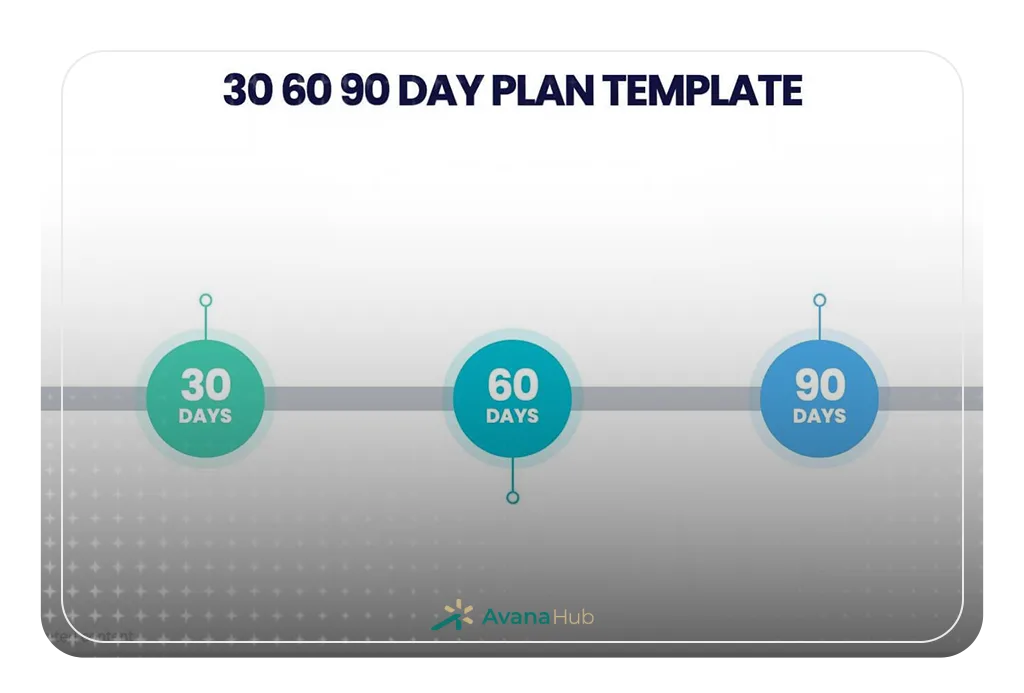
This is where most "build your brand" advice fails. It assumes enterprise budgets and PR teams. The playbook below is engineered for small businesses without either.
Days 1-15: Audit and Foundation
Start by knowing where you stand. The audit takes about 4-6 hours and produces the baseline you'll measure against in 90 days.
- Search your brand name on Google. Does a Knowledge Panel appear? If yes, what does it show? If no, that's your first gap.
- Run your brand through ChatGPT, Perplexity, and Google AI Overviews for 5-10 queries your business should be cited for. Document where you are and aren't cited.
- Check branded search volume in Google Search Console (filter for queries containing your brand name) and tools like Semrush.
- Search for unlinked mentions using Google Alerts, BuzzSumo, or Mention. Most small businesses have 5-20 mentions they didn't know existed.
- Verify your sameAs schema — does it link to your verified profiles, GBP, Wikidata if applicable, and major social accounts?
Days 16-30: Author Entity Setup
Before anything else, build verified author entities for everyone publishing content under your brand. This is the single highest-leverage move for small businesses.
For each author:
- LinkedIn profile with consistent professional history and your business listed
- Bio page on your site with credentials, experience, and links to external profiles
- At least 1-2 third-party publication bylines or quotes (this is achievable in weeks, not months)
- Speaker bio if you've spoken at any event, podcast, or webinar
- Wikidata entry for the founder or principal expert (free to create if criteria are met)
Most small businesses skip this entirely. Done well, it's worth more than 50 backlinks.
Days 31-60: Mention Building
This is the operational core of the 90 days. The goal is generating 20-40 brand mentions across authoritative sources within 30 days.
The tactics that work for small businesses:
- HARO/Connectively/Qwoted — Respond to journalist queries daily. Each successful response is a mention on a publication site, often with a link.
- Podcast appearances — Founders should target 1-2 podcast appearances per month. Podcasts are mention-generation machines because show notes typically include the guest's brand name.
- Reddit and industry forums — Genuine, helpful participation generates organic mentions over time. Aggressive promotion gets banned and hurts.
- Industry association memberships — Most have member directories that count as authoritative mentions.
- Local Chamber of Commerce and business directories — Underrated for both link and mention value.
- Guest commentary in industry newsletters — Smaller publications often welcome thoughtful commentary from operators.
- Conference speaker applications — Even small local conferences create speaker pages that count as authority signals.
What doesn't work:
- Paid mention placement on low-quality sites (often actively harmful)
- Mass press release distribution (mostly ignored by Google's NLP)
- Reciprocal mention exchanges (detected and devalued)
Days 61-75: Citation Library and Reclamation
Now harvest the mentions you've built and the ones that already exist.
Build a centralized citation library — a spreadsheet tracking every unlinked mention, citation, quote, and placement. Columns: source, date, URL, mention type, sentiment, link status.
Run unlinked mention reclamation — for every quality mention without a link, send a polite outreach email to the editor or author thanking them for the mention and asking if they'd consider adding a link. Conversion rates run 15-30% on this — meaningful for a few hours of work.
Co-citation building — get your brand mentioned in lists alongside industry leaders. Tactics: pitch yourself for "best of" roundups, contribute to comparison articles, get included in vendor directories that already feature larger competitors.
Days 76-90: Branded Search Activation
The final phase converts your built brand visibility into branded search volume — the leading indicator Google watches.
Run a small branded awareness campaign:
- Targeted social ads using your brand name in the creative (small budget, $200-500)
- Email signature mentions linking to high-value content
- Podcast and event appearances that drive curiosity searches
- Case study and original research content that gets cited
Measure the lift in branded search volume in Search Console at days 60, 75, and 90. Brands that successfully run this 90-day playbook typically see 20-40% branded search lift within 6 months, with rankings following.
How to Track Whether It's Working
Most SEO dashboards still measure 2022 signals. The metrics that actually predict whether your brand work is moving the needle:
- Branded search volume trend — checked monthly in Search Console
- Number of unlinked mentions per month — tracked via Mention or Brand24
- AI citation rate — manual checks weekly across ChatGPT, Perplexity, Gemini
- Author entity recognition — does Google show a Knowledge Panel when someone searches your author's name?
- Co-citation frequency — how often is your brand mentioned alongside competitors in industry pieces?
Traffic and rankings will follow these metrics by 60-120 days. If you're only watching rankings, you're optimizing blind.
What to Stop Doing
A few habits that actively work against brand signal building:
- Treating PR as a "brand" activity separate from SEO — they're now the same activity
- Publishing under "Admin" or generic bylines — burns the author entity advantage you could be building
- Buying backlinks at scale without proportional brand-building — the algorithmic detection has gotten sharp enough that this often hurts more than helps
- Ignoring branded search volume — it's the leading indicator; if it's flat, your rankings will eventually follow
- Over-investing in technical SEO when brand signals are weak — the leverage is on the brand side now, not the technical side
Conclusion
The brand tax isn't going away. As AI search continues to grow as a discovery channel, the businesses with strong brand signals will compound their advantage — they get cited in AI answers, which builds branded search, which strengthens rankings, which generates more mentions, which feeds back into the cycle.
The businesses without brand signals will keep watching weaker pages outrank theirs and not understand why. The honest answer: in 2026, traditional SEO is the floor of competition. Brand authority is the differentiator. The 90-day playbook above is the cheapest way to build brand signals from zero — and the longer you wait, the more your competitors are compounding their advantage.
The work is unglamorous, but the math is clean: businesses that systematically build brand signals are still under-investing relative to the ranking lift they generate. That gap is the opportunity.