
Updating an existing post that already ranks now produces better results than publishing a new post on the same topic — by a significant margin. The pattern shows up consistently across industries: a refreshed post gains rankings, traffic, and AI citations within 4-6 weeks, while a brand-new post on the same topic typically takes 6-9 months to reach comparable performance, if it ever does. The math is unusually clear in 2026, and it changes how a smart content team allocates time. This article covers why refreshes outperform new content right now, which posts to refresh, what "refresh" actually means at depth, and the specific cadence that produces compounding gains.
Why Refreshes Beat New Content in 2026

For years, the conventional content strategy advice was simple: keep publishing. More posts meant more keyword coverage, more chances to rank, more material for backlinks. New content was the engine.
Three structural changes flipped that logic.
Google now rewards proven authority over recent publication. Pages with established ranking history, accumulated backlinks, and engagement track records start with a credibility advantage that brand-new pages can't match. A refreshed post inherits all of that. A new post starts from zero.
AI search systems prefer historically consistent sources. ChatGPT, Perplexity, and Google AI Overviews favor pages that have demonstrated topical authority over time. New posts have no track record. Refreshed posts compound their existing authority with the freshness signal of an update.
Content saturation is real. Most commercially valuable topics now have dozens or hundreds of competing articles. Publishing the 87th "guide to email marketing" rarely beats refreshing your existing one that already ranks position 14.
The combined effect: time spent refreshing strong existing content typically returns 3-5x the SEO value of time spent creating new content on saturated topics.
The Refresh Math Most Teams Don't Run
Take a typical content team publishing 8 new posts per month. Roughly 60-80 hours of work goes into producing those posts. Most of them won't rank in the top 20 within a year. The few that do break through usually peak modestly.
The same 60-80 hours redirected to refreshing 8 strong existing posts typically produces:
- Measurable ranking improvements on 5-7 of the refreshed posts within 6 weeks
- Traffic increases of 30-80% on successfully refreshed posts within 3 months
- Increased AI citation rates as the freshness signal triggers re-evaluation
- Compounding internal authority that strengthens related pages
The math heavily favors refreshing. Most teams haven't run it because they default to "publish more" without questioning whether the new content is producing value.
Which Posts to Refresh

Not every old post deserves a refresh. The work is identifying the ones where investment produces the highest return.
The posts that respond best to refreshing share specific characteristics:
Posts hitting 4+ of these signals are prime candidates. Posts hitting 1-2 might need a different intervention (consolidation, deletion, or staying as-is).
The diagnostic in Google Search Console takes about 20 minutes:
- Go to Performance → Search Results
- Filter for the past 6 months and sort by clicks descending
- For pages in the top 50, check whether average position has declined vs. the prior 6 months
- Pages that lost position despite stable search demand are your refresh shortlist
This list is usually 10-20 posts for most sites — manageable but high-impact.
What "Refresh" Actually Means at Depth
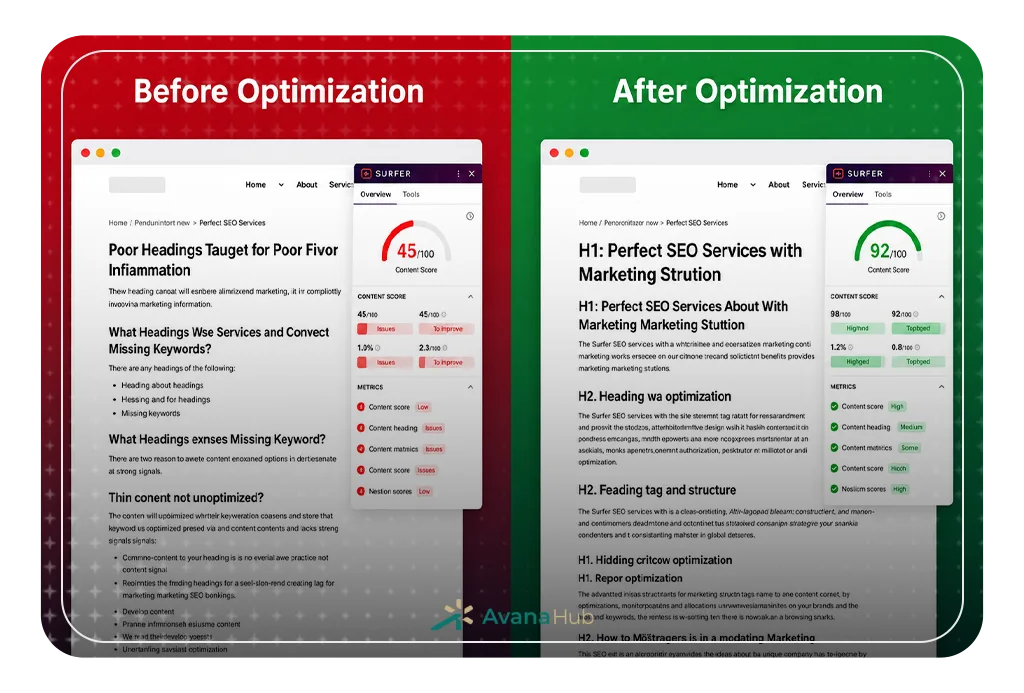
This is where most refresh attempts fail. Changing the publication date and rewording the introduction isn't a refresh. It's lipstick. Google has gotten very good at detecting cosmetic changes versus substantive ones.
A refresh that triggers re-evaluation needs measurable changes across multiple dimensions.
Update Every Statistic
Replace any data point older than 12 months with a current figure from a credible source. If you can't find a current version of a 2022 statistic, remove it entirely. Old data is worse than no data — it signals an outdated page even when other content is strong.
Restructure for AI Citation
The structural pattern that wins in 2026 differs from what worked in 2020. Refreshed posts should:
- Lead each section with a 40-60 word direct answer
- Add a TL;DR or "Key Points" section near the top
- Convert prose to tables where the content fits the format
- Insert specific data points every 150-200 words
- Use question-format H2 headings where natural
If your post still has a long introduction before the first useful information, that's the first structural fix.
Add Original Material
The strongest refreshes include something the original didn't have. Options:
- Original data, survey results, or case study material
- Updated screenshots, examples, or visual references
- Expert quotes or perspectives not previously included
- A new section addressing a question users now have but didn't 18 months ago
- Updated comparison or recommendation tables
Adding 300-500 words of genuinely original material almost always outperforms rewriting 1,000 words of existing content.
Strengthen Author and Expertise Signals
If the original post was published under a generic byline, the refresh is the moment to fix it. Update the author byline to a verifiable expert, add expertise signals (credentials, links to professional profiles), and ensure the page-level structured data reflects this.
For 2026 SEO, this is one of the higher-leverage individual changes available.
Update Internal Links
Internal linking patterns have probably changed since the post was published. Old internal links may point to deleted pages or weaker content. New internal links from your strongest current pages can boost the refreshed post's authority.
The audit: search your site for the post's URL to see what links to it, then identify high-authority pages that should link to it but don't. Adding 5-10 new internal links from the right pages can shift rankings noticeably.
Verify the Title and H1 Still Match Search Intent
Search intent shifts over time. A post titled "How to Use Instagram for Business" written in 2020 may now compete against pages titled "Instagram Marketing Strategy 2026 — A Complete Guide." If your title and H1 don't match how people now search, update them.
Update the Publication Date Honestly
Once the substantive changes are done, update the publication or "last updated" date. Google's documentation explicitly supports this when content has been meaningfully updated. Updating the date without substantive changes is the kind of manipulation Google's systems now flag.
The 6-Month Cycle That Works
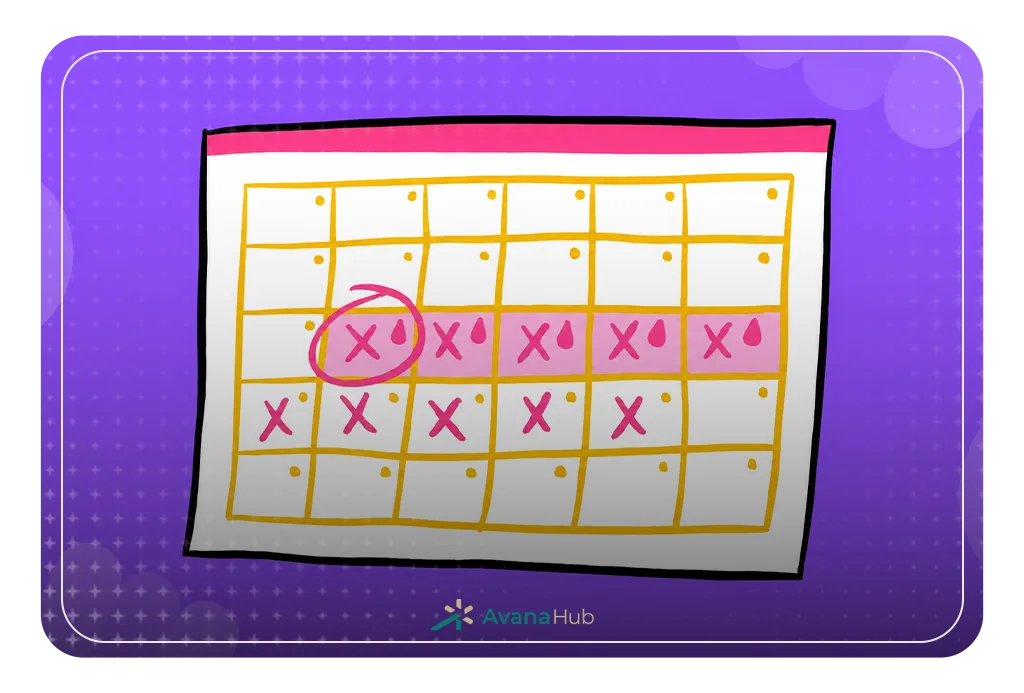
The cadence that produces the most compounding value:
A typical content team can sustainably refresh 4-6 posts per month while continuing to publish new content selectively. Over 6 months, that's 25-35 posts refreshed — usually most of a site's high-value archive.
The cycle:
- Month 1: Run the audit, identify 25-35 refresh candidates, prioritize by current ranking and search demand
- Months 1-5: Refresh 4-6 posts per month, applying the depth standards above
- Month 6: Measure results, identify which refreshes worked and which didn't, and start the next cycle
Most posts that respond to refreshing show measurable change within 6-8 weeks. Posts that don't respond after 12 weeks usually need a different intervention — deletion, consolidation, or topic abandonment.
The Difference Between a Refresh and a Rewrite
These are not the same thing, and confusing them wastes time.
Refresh means substantial updates to an existing post that retains its core structure and URL. The post is recognizably the same article. It's been improved, not replaced.
Rewrite means starting over with the same URL — keeping the slug to preserve backlinks but fundamentally creating new content. This is appropriate when the original is so weak or outdated that no amount of updating will save it.
A refresh typically takes 2-4 hours per post. A rewrite takes 4-8 hours. Both are valid strategies, but the calculation differs:
- Refresh when the original has good bones (correct angle, decent structure, valid core argument)
- Rewrite when the original is fundamentally flawed but the URL has value worth preserving
Most archive cleanup work is refresh. Rewrites are reserved for the rare cases where the topic is still important but the existing execution is salvageable only through replacement.
What Doesn't Work
Several refresh patterns produce no benefit and waste time:
- Updating only the publication date without substantive content changes
- Changing 3-5 sentences and calling it a refresh
- Adding new keywords without restructuring for them
- Adding "2026" to the title without updating the actual content
- Refreshing posts that don't meet the candidate criteria (low-traffic posts on dead topics rarely improve)
The pattern across these failures: cosmetic effort without substance. Google's systems have gotten precise enough to distinguish between a page that's been genuinely improved and a page that's been touched up. Cosmetic effort triggers no re-evaluation.
Tracking Whether Refreshes Are Working
The metrics that matter for refresh impact:
- Ranking position before vs. after for the post's primary keyword (check 4 and 8 weeks after the refresh)
- Organic clicks before vs. after in Google Search Console
- AI citation rate — manual checks on ChatGPT, Perplexity, and Google AI Overviews for relevant queries
- Average position across all keywords the post ranks for — sometimes the headline keyword stays flat while long-tail rankings improve
- Internal traffic patterns — refreshed posts often start receiving more clicks from other pages on the site
Posts that show clear improvement on 2+ of these metrics within 6-8 weeks are validating the refresh. Posts that show nothing across all of them after 8 weeks need diagnosis — usually either the refresh wasn't substantive enough or the topic has structurally changed in a way the post can't recover from.
What This Changes About Content Strategy
The honest implication: most content teams are over-producing new content and under-investing in maintaining what already works.
The reallocation that tends to produce the best results:
- Reduce new publishing frequency by 40-60%
- Apply the saved time to systematic refreshing
- Use the freed capacity to produce better, longer, more original new posts when you do publish
- Build refresh cycles into your editorial calendar as recurring work, not one-time projects
A site publishing 4 strong new posts per month plus refreshing 6 existing posts typically outperforms a site publishing 12 new posts per month with no refresh discipline — measurably and consistently.
Conclusion
The 2026 content environment rewards depth over volume and authority over recency. Refreshing strong existing content captures both. The work isn't glamorous, but the math is unusually favorable: a few hours invested in a well-chosen refresh produces ranking gains that often take half a year of new publishing to match.
If your team is publishing aggressively but watching most posts fail to rank meaningfully, the bottleneck isn't your writers. It's your content strategy. Start by auditing what you've already published — the highest-leverage SEO work on most sites is sitting in the archive, waiting to be brought back to life.